Bespoke Kitchen Appliance Manufacturing: The 2026 B2B Strategy Guide

Updated: Jul 18
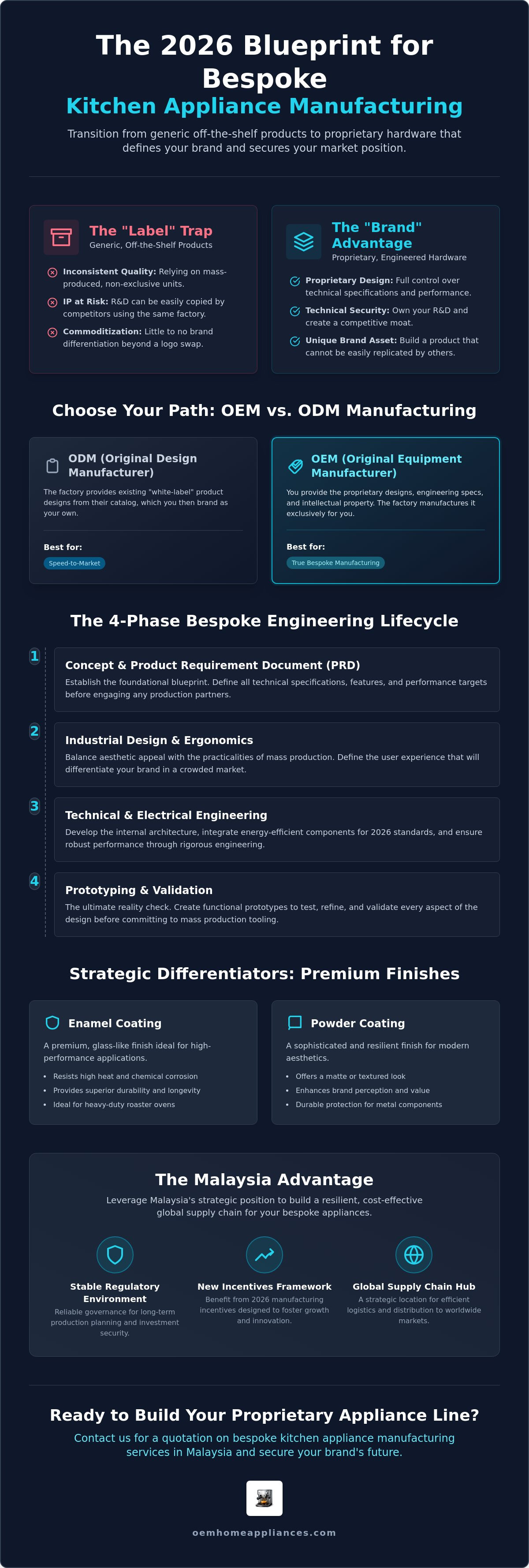
If your "proprietary" product design is sitting on a generic factory shelf next to three of your competitors, you don't own a brand; you own a label. You've likely felt the frustration of inconsistent quality in mass production or the anxiety that your unique R&D might be leaked before it even hits the market. It's a common struggle for B2B leaders who want to scale without compromising their intellectual property. Finding a partner that offers true bespoke kitchen appliance manufacturing is the only way to move beyond generic catalog items and build a moat around your business.
This 2026 strategy guide will show you how to navigate the complex engineering and logistics required to launch proprietary, high-performance hardware. You'll learn how to leverage Malaysia's stable regulatory environment and the New Incentives Framework to secure a reliable, long-term production line. We'll examine the technical essentials of enamel and powder coating that define premium products in an increasingly competitive global market. By the end of this article, you'll have a clear roadmap to establishing a manufacturing partnership that prioritizes your brand's growth and technical security.
Table of Contents
Defining Bespoke Kitchen Appliance Manufacturing for Global Brands
Bespoke isn't just a marketing buzzword for modular panels or custom colors. In the context of a global brand owner, bespoke kitchen appliance manufacturing refers to the ground-up engineering of proprietary hardware. While consumer-facing brands might use the term to describe aesthetic choices, B2B leaders recognize it as a strategic investment in unique technical specifications. You aren't just buying a product; you're developing an asset that competitors cannot easily replicate. Transitioning to bespoke kitchen appliance manufacturing ensures that every component, from the heating element to the outer casing, is built to your exact performance standards.
This level of differentiation is critical in 2026. With the global kitchen appliance market projected to reach USD 257.60 billion this year, standing out requires more than a logo swap. Proprietary hardware development allows you to integrate specific features, such as advanced energy-efficient components or specialized heating systems for roaster ovens and air fryers. Your manufacturing partner acts as a silent engine, transforming your intellectual property into market-ready equipment. As an Original Equipment Manufacturer (OEM), a reliable partner ensures that your proprietary designs remain secure and exclusive to your brand.
Bespoke vs. Private Label: Which Path to Choose?
Choosing between private labeling and bespoke R&D depends on your long-term business goals. Private labeling is a fast-track solution that uses existing factory designs. It's cost-effective but offers little protection against competitors selling the same unit. Moving to custom-engineered solutions requires a higher initial investment in research and development, yet the ROI is found in technical ownership. When you own the specifications for your rice cookers or coffee machines, you eliminate the risk of being commoditized. You can explore these product design and development services to understand the transition from off-the-shelf models to proprietary hardware.
The Strategic Importance of Specialized Coatings
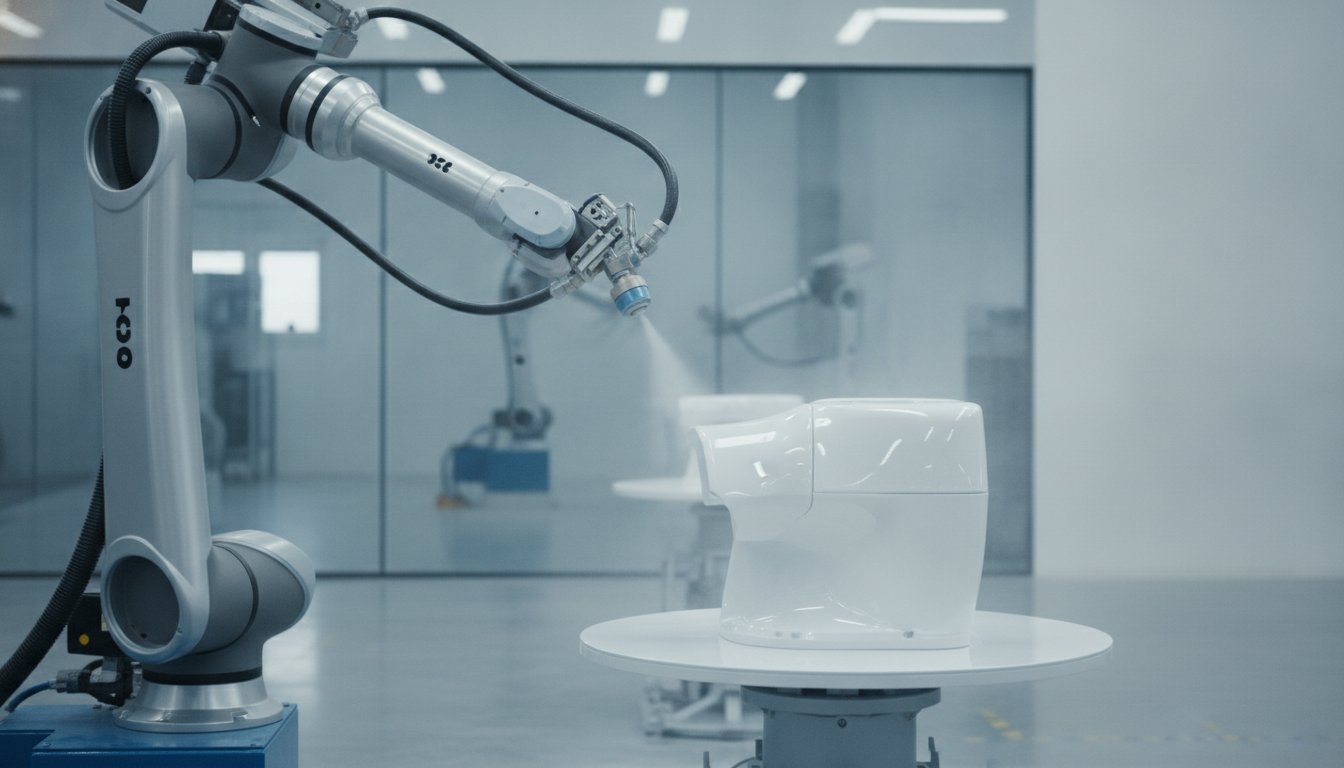
Aesthetics and durability are often the first things a professional buyer notices. Enamel-coated products provide a premium finish that resists high heat and chemical corrosion, making them ideal for heavy-duty roaster ovens. Similarly, powder-coated metal components offer a sophisticated matte or textured look that enhances brand perception. Integrating these technical finishes into the early design phase ensures your appliances don't just perform well; they look like elite tier equipment. These coatings are functional differentiators that extend the lifespan of portable cooking equipment in commercial or high-end residential settings, where selecting resilient surfaces is critical, as discussed on kitchenrenovationsperfected.com.
The Bespoke Engineering Lifecycle: From Concept to Prototype
Successful hardware launches don't happen by accident. They're the result of a disciplined, four-phase engineering lifecycle that transforms a brand's vision into a high-performance reality. In the context of bespoke kitchen appliance manufacturing, this process begins with industrial design and ergonomic planning tailored for modern, space-conscious kitchens. To see how these high-end design principles are applied to custom home environments, you can discover NY Cabinets for bespoke solutions. Engineers must balance aesthetic appeal with the practicalities of mass production, ensuring every knob, handle, and interface is intuitive and durable. This phase isn't just about looks; it's about defining the user experience that will differentiate your brand in a crowded market.
As the design matures, the focus shifts to technical development and electrical engineering. This is where the internal architecture of the appliance takes shape. For brands scaling through Malaysia's manufacturing sector, this phase often involves integrating energy-efficient components to meet strict 2026 standards. A robust feedback loop between your brand managers and factory engineers is vital. It ensures that technical limitations are addressed early, preventing costly delays during the tooling and mold creation stages. If you're ready to move from concept to blueprint, you can consult with our engineering team to refine your product requirements.
Mastering Kitchen Appliance Prototyping
Prototyping is the ultimate reality check for any new product. You must distinguish between aesthetic models, which show how a unit looks, and "golden samples," which prove how it performs. Functional validation is especially critical for portable cooking equipment where thermal management and safety are paramount. Identifying failure points during this stage prevents massive recalls later. For a deeper look at this process, read our strategic guide to kitchen appliance prototyping.
Technical Development and Performance Engineering
Optimizing the heating elements in roaster ovens and air fryers requires specialized thermal engineering. It's not enough to generate heat; you must control airflow and energy consumption to meet the 2026 ENERGY STAR mandates. During R&D, safety compliance should be baked into the design rather than added as an afterthought. This methodical approach to performance engineering is the backbone of successful bespoke kitchen appliance manufacturing, ensuring every unit meets global safety and efficiency standards. Our process is detailed in this engineering case study in OEM innovation.
Choosing the Right Manufacturing Model: OEM vs. ODM
Selecting the appropriate production model is a foundational business decision that dictates your level of control over intellectual property and your speed to market. In 2026, the choice between Original Equipment Manufacturing (OEM) and Original Design Manufacturing (ODM) isn't just about cost. It's about the depth of bespoke kitchen appliance manufacturing required to protect your brand's unique value proposition. While the global kitchen appliance market is projected to reach USD 257.60 billion this year, the most successful brands are those that align their manufacturing model with their specific R&D capabilities.
OEM models provide total control over the design, allowing you to build proprietary hardware from the ground up. This is essential for brands that have developed unique technical specifications that they don't want shared with other factory clients. Conversely, ODM models allow you to leverage existing factory platforms. This path is significantly faster, as it bypasses much of the initial engineering and tooling phases. Many B2B leaders now utilize hybrid models, where they use a standard factory chassis for products like blenders or kettles but customize the internal electronics or premium powder-coated finishes to maintain a distinct brand identity.
When to Invest in Full OEM Bespoke Manufacturing
Full OEM investment is necessary when you've identified a market gap that existing factory designs cannot fill. If you're developing a coffee machine with a unique brewing cycle or a rice cooker with proprietary induction logic, owning the technical specifications is your only defense against commoditization. While the cost of proprietary tooling is higher, the long-term ROI comes from owning the asset. By controlling the entire stack, you ensure that your bespoke kitchen appliance manufacturing project results in a product that's legally and technically "un-clonable." You can review our product design and development services to see how we facilitate this level of technical ownership.
Leveraging ODM for Rapid Market Entry
ODM is the preferred route when speed is the primary objective. According to Luxury Kitchen Appliance Market trends, consumer demand for high-end aesthetics is growing at a CAGR of 8.97%. You can meet this demand quickly by modifying an existing roaster oven or air fryer design with brand-specific aesthetics, such as custom enamel coatings or unique control interfaces. This "tweaked" approach allows for a faster launch while still offering a premium look that differentiates your brand from generic retail options. The key is ensuring quality consistency across these shared manufacturing platforms through rigorous factory vetting and onsite inspections.
How to Launch a Bespoke Project: A Step-by-Step Workflow
Launching a successful bespoke kitchen appliance manufacturing project requires a methodical transition from a conceptual design to a finalized production contract. The first step is drafting a comprehensive Product Requirement Document (PRD). This technical blueprint must detail every specification, from electrical load requirements to the exact micron thickness of enamel coatings. Without a precise PRD, your project risks scope creep and manufacturing errors that can derail your timeline. Once your requirements are set, you move into the critical vetting phase. You aren't just looking for a factory; you're looking for a technical partner capable of executing complex metalwork and electrical engineering.
Negotiating Minimum Order Quantities (MOQs) and lead times is the next hurdle. In 2026, international shipping costs for a Full Container Load (FCL) range between $1,200 and $7,500, making logistics planning as vital as production. You must balance lower MOQs for market testing against the cost efficiencies of high-volume production. Finally, implementing multi-stage quality control (QC) protocols ensures that the first unit off the line is as perfect as the ten-thousandth. These protocols should include raw material inspection, mid-production checks, and final pre-shipment audits to maintain brand integrity. If you're ready to initiate your next production run, you can request a technical consultation to begin the PRD drafting process.
Vetting Your Manufacturing Partner
A reliable OEM appliance supplier should offer more than just assembly lines. You need to evaluate their technical expertise in specialized finishes like enamel and powder coating, which are essential for premium roaster ovens and air fryers. Ask for case studies or performance data regarding their previous work in small kitchen appliance contract manufacturing. A factory's history with complex, multi-component builds is a strong indicator of their ability to handle your proprietary designs without compromising quality or security.
Quality Assurance and Compliance Standards
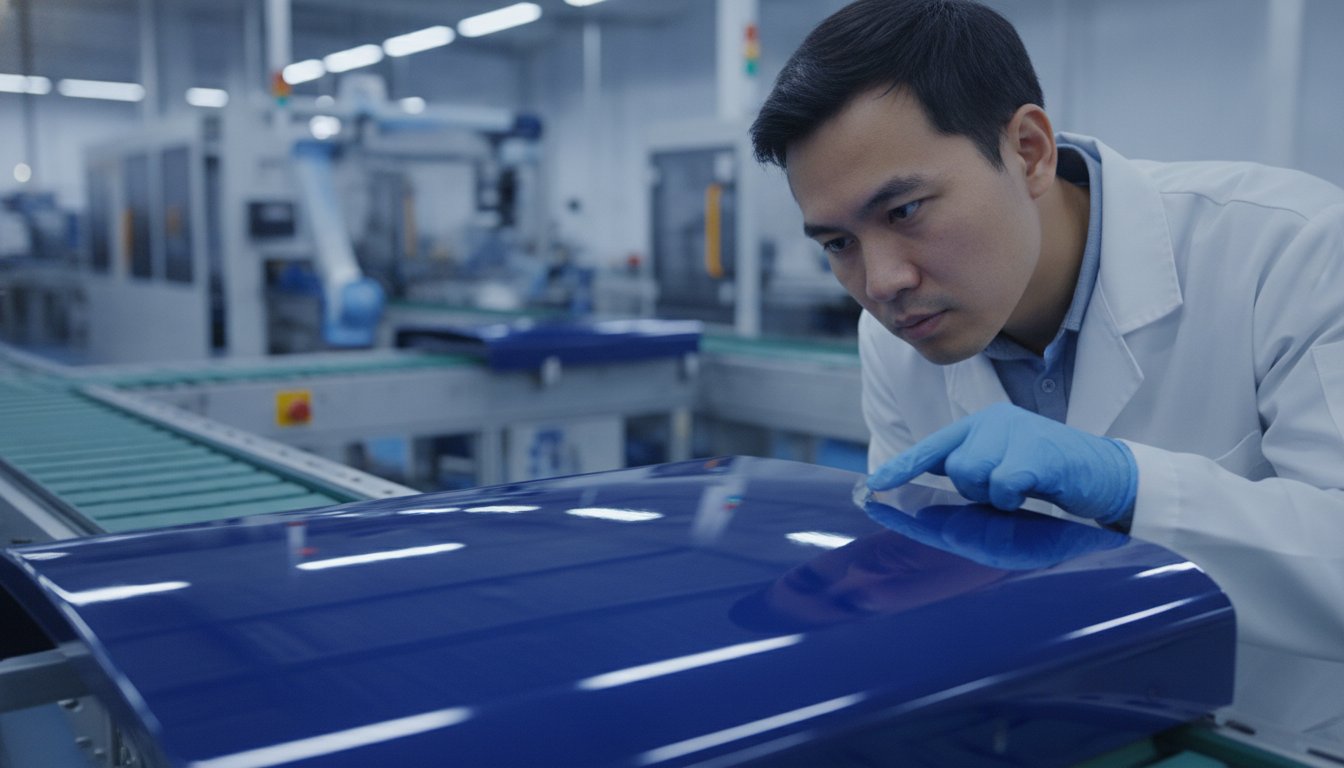
Navigating global safety certifications like UL, CE, and RoHS is non-negotiable for kitchenware brands. Your contract must establish clear Acceptable Quality Level (AQL) standards that trigger mandatory inspections if defects exceed a specific threshold. For enamel-coated products, batch testing for thermal shock and durability is critical to ensure the finish doesn't chip or degrade under high-heat conditions. These rigorous standards protect your brand from the high costs of returns and safeguard your reputation in the luxury market.
Scaling with a Bespoke Partner: The Malaysia Advantage
Stability is the new currency in global production. In 2026, Malaysia has solidified its position as a top-tier hub for bespoke kitchen appliance manufacturing, offering a resilient alternative to traditional hubs. The numbers confirm this shift. Malaysia's manufacturing sales rose 8.9% year-on-year to RM172.7 billion in May 2026. This growth is fueled by the New Incentives Framework (NIF), which provides specialized tax rates and investment allowances for high-tech manufacturing projects. For global brands, the financial logic is clear. US import tariffs on Malaysian-origin goods hold at approximately 10%, while comparable goods from China face rates ranging from 35% to 100%.
Beyond tax benefits, Malaysia offers a highly skilled technical workforce and a mature ecosystem for electrical engineering. Scaling your production here means tapping into an environment that prioritizes industrial excellence and intellectual property protection. As an elite partner, oemhomeappliances (Keiteq) integrates deep R&D capabilities with high-volume production lines. We act as a silent engine for your brand, ensuring that your proprietary designs for air fryers, rice cookers, or blenders are executed with surgical precision. This regional focus allows you to diversify your supply chain while maintaining the high-performance standards your customers expect.
Supply Chain Resilience in Malaysia
Malaysia's manufacturing stability is built on localized access to high-quality raw materials and specialized coating facilities. By producing within this region, you reduce lead times through optimized Southeast Asian shipping lanes. While ocean container rates in 2026 remain volatile, ranging between $1,200 and $7,500, Malaysia's strategic location near major trade routes provides more predictable logistics than landlocked or politically unstable hubs. You'll gain access to top-tier enamel and powder coating services that are essential for the durability of premium appliances. This infrastructure ensures that your bespoke kitchen appliance manufacturing project stays on schedule and within budget.
Partnering with oemhomeappliances for Bespoke Success
We operate on a strict brand-only model. We don't compete with our clients; we empower them. This commitment to silent partnership is why global brands trust us to scale their most sensitive IP. Our expertise in technical finishes is a primary differentiator. Whether you're scaling custom roaster oven manufacturing or developing a new line of portable cooking equipment, we leverage our advanced enamel and powder coating facilities to deliver a premium product. We focus on the practicalities of production so you can focus on market expansion.
Are you ready to scale your proprietary appliance line with a reliable partner in Southeast Asia? We invite you to contact us for a detailed consultation regarding our manufacturing capabilities in Malaysia. Our team is ready to provide a comprehensive quotation tailored to your specific technical requirements and production volume. Reach out today to secure your 2026 production slot and leverage the Malaysia advantage for your brand.
Strategic Hardware Partnership for 2026 and Beyond
Success in the 2026 appliance market requires more than just a visible logo; it demands a foundation of proprietary hardware and technical excellence. We've explored how ground-up R&D protects your intellectual property while specialized enamel and powder coatings elevate your brand's durability. By aligning your production with a dedicated partner in Malaysia, you secure significant tax advantages and supply chain stability that competitors can't easily match. This strategic shift ensures your brand remains resilient in a shifting global landscape.
Transitioning to bespoke kitchen appliance manufacturing is a definitive move toward total brand ownership. Our comprehensive R&D facilities in Malaysia and dedicated OEM/ODM partner model ensure your proprietary designs are executed with precision. We specialize in technical solutions for roaster ovens and portable cooking equipment, utilizing advanced enamel and powder coating expertise to deliver premium results. By leveraging Malaysia's stable manufacturing environment, you bypass the volatility of other regional hubs and secure a dependable backbone for your business growth.
Request a Quotation for Your Bespoke Manufacturing Project in Malaysia today. Let's transform your technical requirements into a market-leading reality. We're ready to empower your brand's success through expert engineering and reliable production.
Frequently Asked Questions
What is the typical lead time for a bespoke kitchen appliance project?
Lead times for a complete project generally range from 6 to 12 months. This timeline accounts for the initial industrial design, electrical engineering, and custom tooling phases. Mass production usually requires an additional 30 to 60 days after the final sample is approved. Complex projects involving advanced electronics or unique molds may extend this duration, so early planning is essential for a successful market launch.
How do I protect my intellectual property when working with an OEM factory?
Protecting your intellectual property involves a combination of legal agreements and choosing the right partner. You should establish comprehensive NNN (Non-Disclosure, Non-Use, Non-Circumvention) agreements before sharing any technical data. Working with a dedicated B2B manufacturer that doesn't have its own retail brand eliminates the risk of internal competition. This ensures your proprietary designs for air fryers or coffee machines remain exclusive and secure within our facility.
What are the minimum order quantities (MOQ) for custom appliance manufacturing?
Minimum order quantities typically start at 500 to 1,000 units per production run for most small appliances. These requirements vary based on the level of customization and the specific components used. Proprietary projects requiring unique molds or specialized technical development often benefit from higher volumes to achieve better cost efficiency. We provide tailored quotations based on your specific volume needs and project complexity.
Can you handle the technical development of smart or AI-integrated appliances?
We provide full technical development for smart appliances, including IoT integration and sensor-based AI features. Our engineering team can incorporate app-controlled interfaces and automated cooking logic into your product line. Whether you're developing high-performance blenders or advanced coffee machines, we ensure the hardware and software work seamlessly together. This allows your brand to compete in the 2026 market for connected kitchen technology.
Why should I choose a manufacturer in Malaysia over other regions?
Malaysia offers a strategic advantage through lower import tariffs and a stable, skilled technical workforce. As of 2026, goods produced here benefit from favorable trade agreements and government incentives like the New Incentives Framework (NIF). This region provides a reliable alternative to traditional hubs, offering better supply chain resilience and lower geopolitical risk. It's an ideal location for scaling high-quality production for global distribution.
What types of specialized coatings do you offer for kitchen equipment?
We specialize in high-heat enamel and precision powder coating for a variety of metal components. Enamel coatings provide a premium, glass-like finish that is resistant to high temperatures and chemical corrosion, making it perfect for roaster ovens. Our powder coating services offer a durable, aesthetic finish for external housings and portable cooking equipment. These specialized treatments ensure your products maintain their premium appearance and functionality over time.
Do you provide prototyping services before moving to full-scale production?
Prototyping is a standard part of our bespoke kitchen appliance manufacturing process to ensure functional validation. We produce initial 3D models for aesthetic review followed by fully functional "golden samples" for performance testing. This phase allows us to identify and resolve potential engineering issues before you commit to expensive high-volume tooling. It's the most effective way to guarantee your final product meets every technical specification.
How do you ensure consistent quality across high-volume appliance orders?
We ensure consistency through a multi-stage quality control protocol that covers the entire production lifecycle. This includes incoming material inspections, mid-line assembly checks, and final pre-shipment audits based on established AQL standards. Our bespoke kitchen appliance manufacturing workflow prioritizes precision at every step to prevent defects in high-volume orders. This methodical approach guarantees that every unit reaching your customers reflects your brand’s commitment to high quality.

Comments