The Ultimate Guide to Choosing the Right Rice Cooker for Your Kitchen

Rice cookers have become essential appliances in many kitchens, offering convenience and consistent results for cooking rice and more. With so many options available, selecting the right rice cooker can feel overwhelming. This guide breaks down everything you need to know to make an informed choice, ensuring you pick a rice cooker that fits your cooking style, kitchen space, and budget.
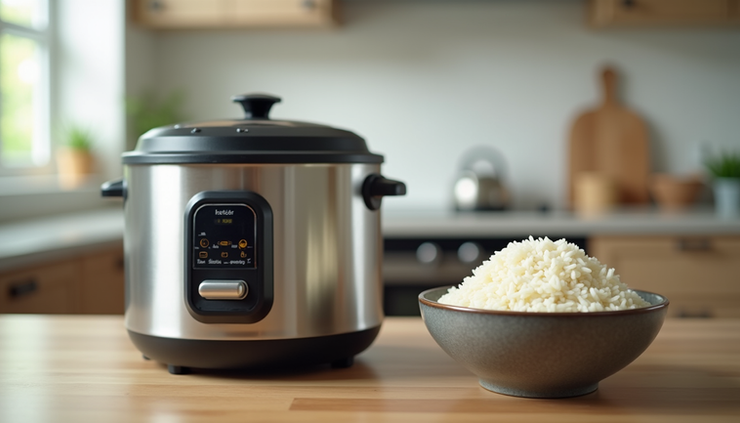
Why You Need a Rice Cooker
Cooking rice on the stove can be tricky. It requires precise water-to-rice ratios and careful timing to avoid undercooked or burnt rice. A rice cooker simplifies this process by automating cooking times and temperatures. Beyond rice, many models offer functions for steaming vegetables, cooking grains like quinoa, or even preparing soups and stews.
Using a rice cooker saves time and effort, making it easier to enjoy perfectly cooked rice every time. It also frees up your stove for other dishes, which is especially helpful when preparing meals for family or guests.
Types of Rice Cookers
Understanding the different types of rice cookers helps narrow down your options:
1. Conventional Rice Cookers
These basic models use a simple heating element and thermostat. They cook rice by boiling water and then switching to a warming mode once the water is absorbed. They are affordable and easy to use but may not handle different rice types or textures well.
2. Micom (Microcomputer) Rice Cookers
Micom rice cookers have a microchip that adjusts cooking time and temperature based on the rice type and amount. This results in more consistent texture and flavor. They often include settings for white rice, brown rice, porridge, and more.
3. Induction Heating Rice Cookers
Induction heating models use magnetic fields to heat the entire inner pot evenly, rather than just the bottom. This allows for precise temperature control and better cooking results. They tend to be more expensive but offer superior performance, especially for brown rice and mixed grains.
4. Pressure Rice Cookers
Pressure rice cookers combine pressure cooking with rice cooking. The pressure raises the boiling point of water, cooking rice faster and making it softer and fluffier. These models often have multiple cooking functions, including slow cooking and steaming.
Key Features to Consider
When choosing a rice cooker, look for features that match your needs:
Capacity
Rice cookers come in various sizes, typically measured in cups of uncooked rice. For singles or couples, a 3-cup cooker may suffice. Families or those who entertain often benefit from 5-cup or larger models.
Cooking Functions
Some rice cookers offer multiple settings for different rice types, grains, and dishes. If you want versatility, look for models with options for brown rice, sushi rice, porridge, steaming, and slow cooking.
Ease of Use
Simple controls and clear displays make operation easier. Some models have digital touchscreens, while others use manual dials or buttons.
Keep Warm and Timer
A keep-warm function maintains rice temperature after cooking. A timer lets you set cooking to start later, which is handy for meal planning.
Inner Pot Material
Non-stick pots are easier to clean but can wear out over time. Stainless steel pots are durable but may require more care.
Accessories
Look for included accessories like measuring cups, rice paddles, and steaming trays.
How to Choose Based on Your Cooking Habits
For Everyday Rice Cooking
If you primarily cook white rice and want a straightforward appliance, a conventional or micom rice cooker with basic settings will work well. Choose a size that fits your household’s typical rice consumption.
For Healthier Options
Brown rice and whole grains require longer cooking times and precise temperature control. Induction heating or micom rice cookers with specific brown rice settings will deliver better texture and flavor.
For Multi-Function Use
If you want an appliance that can replace several kitchen tools, consider a pressure rice cooker or multi cooker. These often include slow cooking, steaming, and even baking functions, making them versatile for various recipes.
For Large Families or Entertaining
A larger capacity rice cooker (5 cups or more) ensures you can prepare enough rice in one batch. Some models also have quick-cook settings to speed up meal prep.
Maintenance and Cleaning Tips
Proper care extends the life of your rice cooker:
Clean the inner pot after each use with a soft sponge to avoid scratching the non-stick surface.
Wipe the exterior and heating plate regularly to remove spills and prevent buildup.
Check the steam vent for clogs and clean it as needed.
Avoid immersing the main unit in water; only the removable parts should be washed.
Practical Examples of Rice Cooker Use
Steaming Vegetables
Use the steaming tray to prepare healthy sides while cooking rice below.
Making Porridge or Congee
Select the porridge setting for a creamy, slow-cooked breakfast.
Slow Cooking Meals
Some pressure rice cookers double as slow cookers, allowing you to prepare stews or soups.
Cooking Different Rice Types
Adjust settings for jasmine, basmati, or sushi rice to get the best texture.
Final Thoughts on Choosing Your Rice Cooker
Choosing the right rice cooker depends on your cooking habits, household size, and desired features. Whether you want a simple appliance for perfect white rice or a versatile multi cooker for a variety of dishes, there is a model to fit your needs.
Start by considering how often you cook rice, what types of rice or dishes you want to prepare, and how much space you have in your kitchen. Then, compare features like capacity, cooking functions, and ease of use. Investing in a quality rice cooker will save time, reduce cooking stress, and elevate your meals.
📌 Call to Action
Ready to launch your own appliance brand?👉 Contact Us today to discuss OEM/ODM opportunities, low‑volume customized orders, and bulk supply solutions.


Comments