Comprehensive Guide to B2B Appliance Manufacturers

Finding the right partner for appliance manufacturing can make or break your business. Efficiency, quality, and scalability matter. This guide breaks down what to look for, how to choose, and what to expect from B2B appliance manufacturers. Use this to streamline your search and decision-making.
Understanding B2B Appliance Manufacturers
B2B appliance manufacturers produce appliances for other businesses, not direct consumers. They handle everything from design and prototyping to mass production. These manufacturers serve brands, distributors, and retailers who want to launch or rebrand kitchen and home appliances.
Key points to consider:
Customization: Ability to tailor products to your specifications.
Compliance: Meet safety and quality standards.
Capacity: Handle your order volume and scale as needed.
Technology: Use modern manufacturing techniques.
Support: Provide after-sales and technical assistance.
Choosing a reliable manufacturer reduces risks and speeds up your time to market.

How to Evaluate B2B Appliance Manufacturers
Start with research. Look for manufacturers with proven experience in your product category. Check their certifications and client testimonials. Visit their facilities if possible.
Ask these questions:
What is your minimum order quantity?
Can you customize designs and features?
What quality control processes do you use?
How do you handle delays or defects?
What are your lead times from order to delivery?
Request samples to test product quality. Compare pricing but don’t sacrifice quality for cost. A good manufacturer balances both.
Key Manufacturing Processes in Appliance Production
Understanding the manufacturing process helps you communicate your needs clearly. Typical steps include:
Design and Prototyping: Creating product blueprints and functional models.
Material Sourcing: Selecting durable and compliant materials.
Component Manufacturing: Producing parts like motors, panels, and electronics.
Assembly: Combining components into finished products.
Testing: Ensuring safety, performance, and durability.
Packaging and Shipping: Preparing products for delivery.
Each step requires precision and quality checks. A manufacturer with integrated processes reduces errors and speeds production.

Benefits of Partnering with a B2B Home Appliance Manufacturer
Working with a b2b home appliance manufacturer offers several advantages:
Expertise: Access to industry knowledge and innovation.
Cost Efficiency: Lower production costs through economies of scale.
Speed: Faster product development and market entry.
Customization: Tailored products that fit your brand identity.
Scalability: Ability to increase production as your business grows.
This partnership lets you focus on marketing and sales while the manufacturer handles production complexities.
Tips for Managing Your Manufacturing Partnership
Effective communication is key. Set clear expectations from the start. Use contracts to define scope, timelines, and quality standards. Schedule regular updates and inspections.
Consider these tips:
Share detailed product specifications.
Monitor production milestones.
Address issues promptly.
Plan for contingencies like supply chain disruptions.
Build a long-term relationship for continuous improvement.
Strong collaboration leads to better products and smoother operations.
Navigating Challenges in Appliance Manufacturing
Challenges are common but manageable. Typical issues include:
Delays: Caused by supply shortages or technical problems.
Quality Variations: Inconsistent product standards.
Cost Overruns: Unexpected expenses during production.
Regulatory Compliance: Meeting changing safety and environmental laws.
Mitigate risks by choosing experienced manufacturers, maintaining open communication, and having backup plans.
Final Thoughts on Choosing the Right Manufacturer
Selecting the right B2B appliance manufacturer is a strategic decision. Focus on quality, reliability, and partnership potential. Use this guide to ask the right questions and evaluate options thoroughly.
A trusted manufacturer helps you bring quality kitchen and home appliances to market efficiently. This supports your growth and brand reputation.
Invest time upfront. The right choice pays off in the long run.

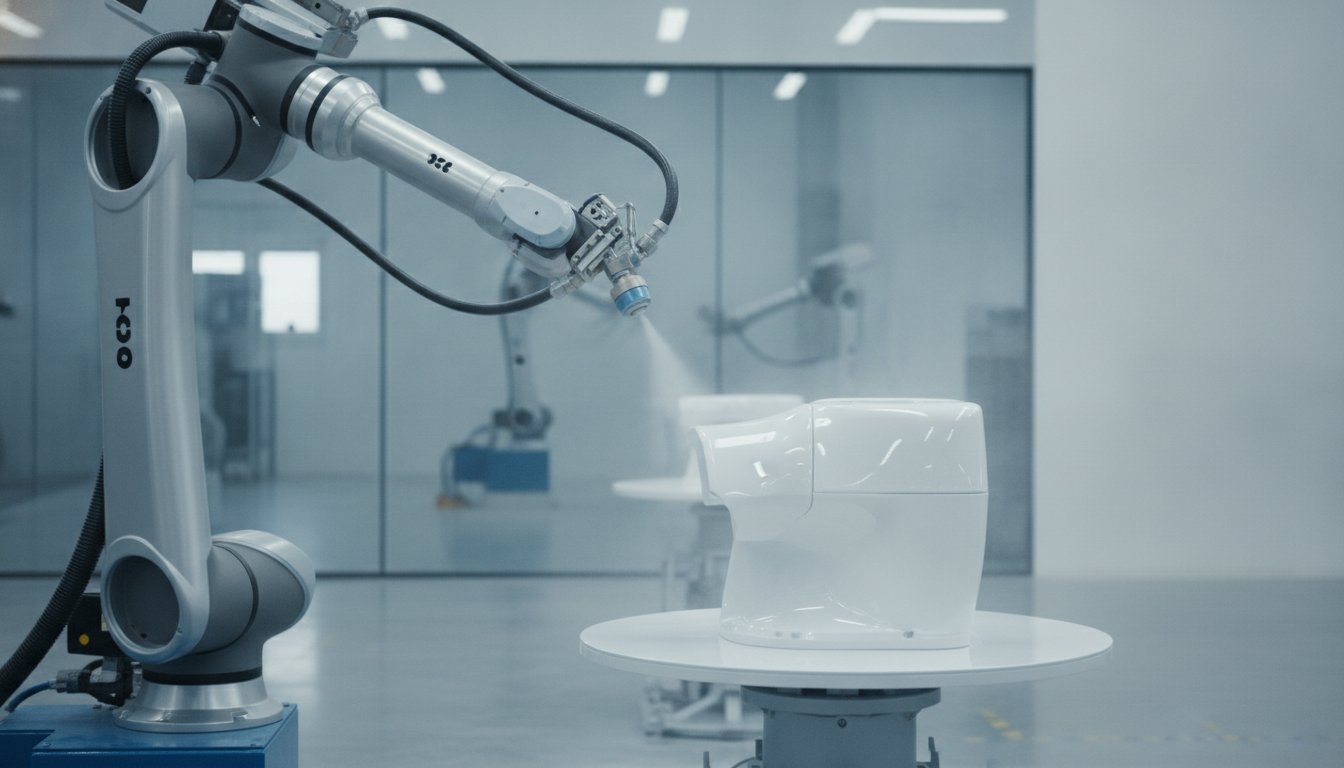
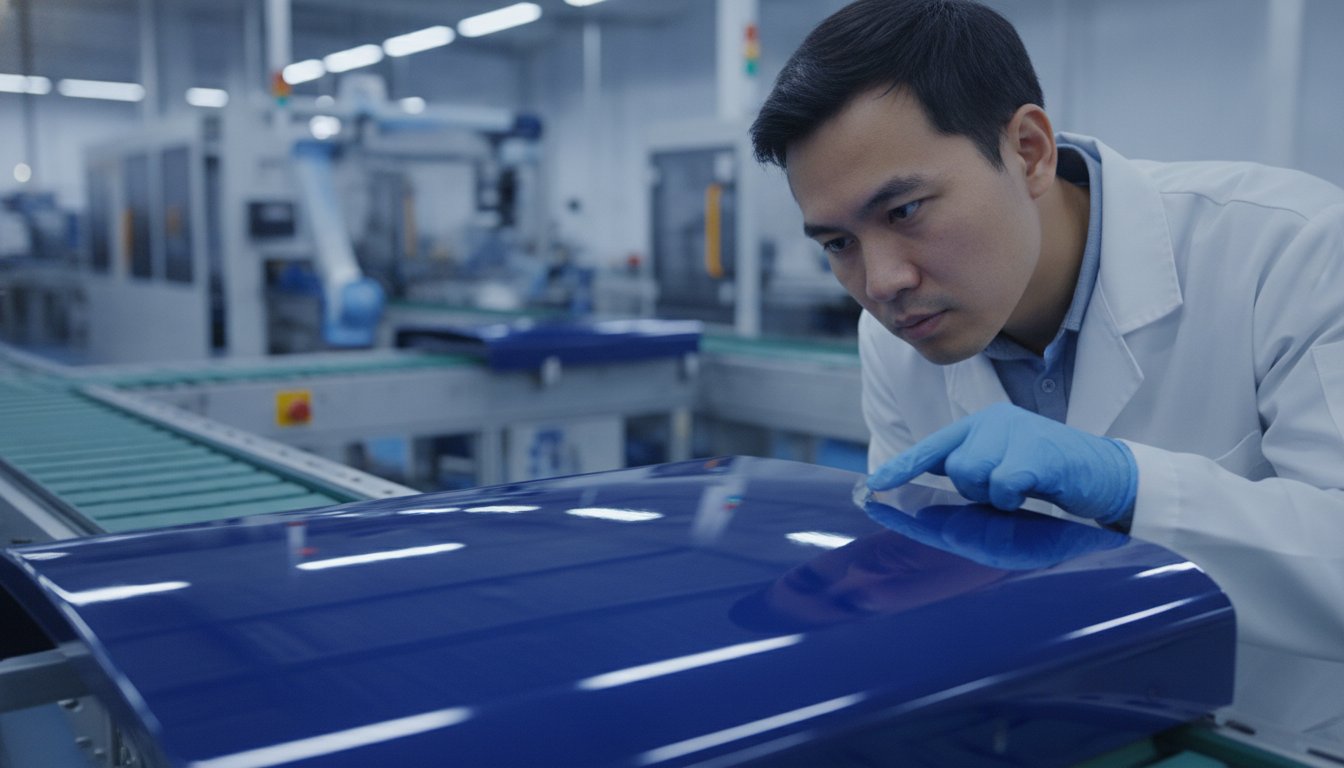
Advanced Plastic Injection Molding for Interface Components
Interface components, such as bezels and card reader entries, require advanced plastic injection molding. We utilize UV-stabilized polymers to prevent material degradation and brittleness caused by constant sun exposure. Managing the tolerances between these plastic parts and the metal chassis is critical for maintaining waterproof seals. Our specialized Plastic Injection Molding Services in Malaysia facilitate the production of these high-precision components at scale. If you are ready to move from design to physical production, you may contact our engineering team to discuss your specific hardware requirements.