Private Label Coffee Machine Manufacturing: The 2026 B2B Strategy Guide
By the close of 2026, any coffee machine lacking precision PID temperature control or smart connectivity is no longer a premium product; it's a market liability. With the global coffee machine market projected to reach 7.5 billion dollars this year, the competition for the prosumer segment is fiercer than ever. Success in this environment requires more than just a logo on a generic box. It demands a sophisticated approach to private label coffee machine manufacturing that bridges the gap between high-end industrial R&D and high-volume global production.
You've likely faced the frustration of hardware inconsistency or prototypes that take months to materialize. It's difficult to find a partner that masters both the precision of metal components and the complexity of modern electronics. This guide provides a strategic roadmap to overcome those hurdles. You'll discover how to scale your brand using industrial-grade hardware and streamlined supply chains. We'll cover everything from meeting the new August 2026 EU packaging regulations to implementing the latest smart brewing technologies that today's coffee enthusiasts demand.
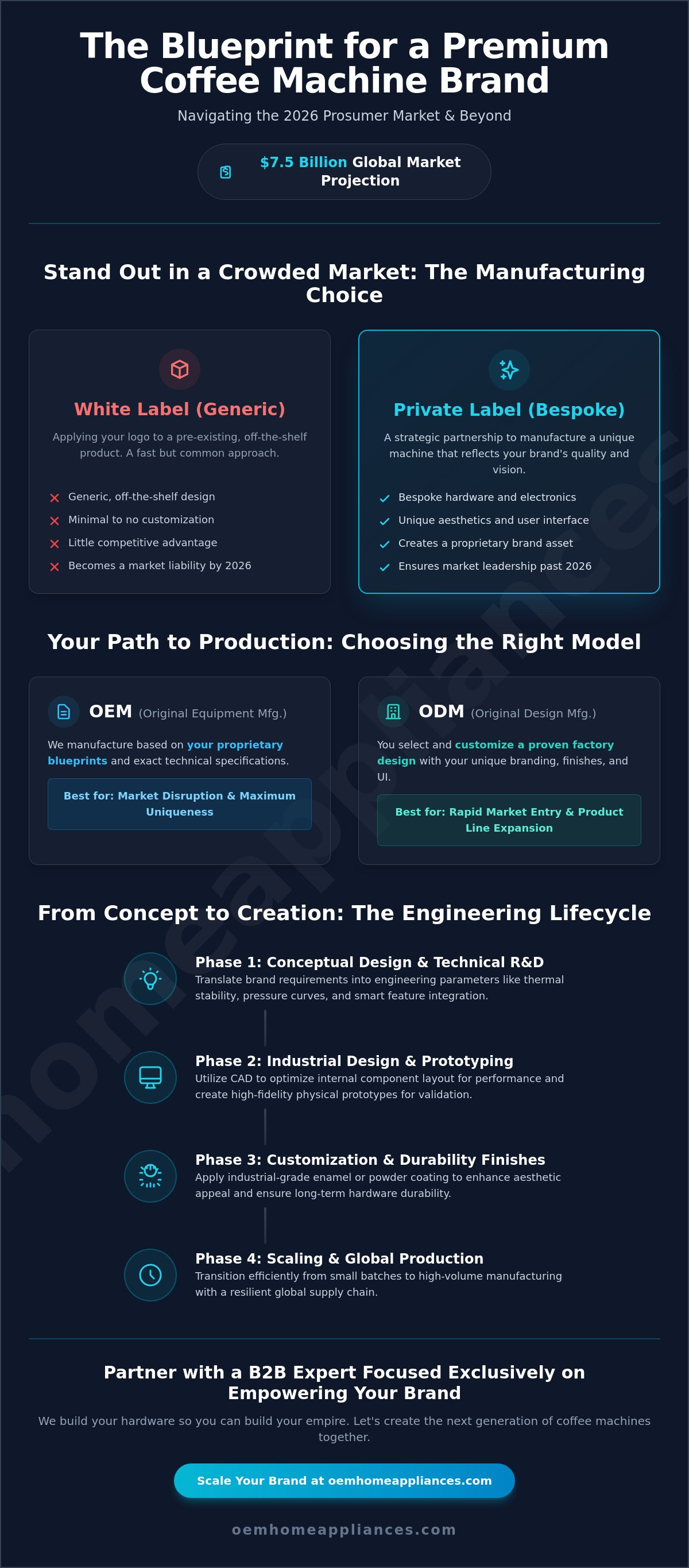
Identify the critical differences between generic white label units and bespoke private label coffee machine manufacturing to ensure your brand stands out in the 2026 market.
Master the engineering lifecycle by moving methodically from initial R&D and technical concepts to high-performance physical prototypes.
Utilize industrial finishing techniques like enamel and powder coating to improve both the aesthetic appeal and the long-term durability of your hardware.
Scale your operations effectively by transitioning from small batches to high-volume global production while maintaining a resilient supply chain.
Partner with an expert B2B manufacturer that focuses exclusively on empowering your brand rather than competing for direct retail space.
Table of Contents
What is Private Label Coffee Machine Manufacturing?
Hardware-based private labeling is a strategic B2B arrangement where a specialized manufacturer produces coffee machines to be sold under another company's brand. Unlike the traditional focus on sourcing beans, private label coffee machine manufacturing centers on the physical engineering, electronics, and industrial design of the brewing equipment itself. The manufacturer acts as the silent engine. We provide the technical infrastructure that allows your brand to scale without the massive capital expenditure of building and maintaining a factory.
To understand the full scope of this partnership, one must look at the fundamental business model. What is Private Label Manufacturing? At its core, it's about shifting the burden of production, quality control, and R&D to a partner with established industrial capacity. This allows you to focus on market positioning and customer acquisition while we handle the complexities of high-volume global production and technical compliance.
There's a critical distinction between white label and private label solutions. White label products are generic, off-the-shelf units where you simply apply your logo to a pre-existing design. These are common but offer little competitive advantage. Private labeling offers a bespoke path. It involves customizing internal components, exterior aesthetics, and the user interface to create a unique product. This customization ensures your machine isn't just another commodity. It becomes a proprietary asset that reflects your brand’s specific quality standards and technical requirements.
The Strategic Shift from Consumables to Hardware
Established coffee brands are moving beyond selling beans to owning the hardware ecosystem. This shift creates significantly higher customer lifetime value. When a customer uses your branded machine, your brand becomes a permanent fixture in their daily routine. Hardware sets the definitive standard for the end-user’s coffee quality. By controlling the brewing temperature, pressure, and extraction through custom hardware, you ensure your brand's reputation for excellence is never compromised by inferior third-party equipment. Proprietary design is the only way to stand out in a crowded kitchen appliance market.
OEM vs ODM Models for Coffee Brands
Choosing the right manufacturing model depends on your specific business goals and technical readiness.
OEM (Original Equipment Manufacturing): This model suits brands with proprietary designs. We manufacture the coffee machine based on your exact blueprints and technical specifications. It offers the highest level of uniqueness.
ODM (Original Design Manufacturing): This is a faster route to market. You select a proven factory design and modify specific elements like the finish, UI, or external components. It balances speed with customization.
Select the OEM model if your goal is market disruption through entirely new technology. Opt for ODM if you need to expand your product line quickly with reliable, market-tested hardware that still carries your unique brand identity.
The Engineering Lifecycle: From Coffee Machine R&D to Prototype
Moving from a brand vision to a physical appliance requires a disciplined engineering lifecycle. Successful private label coffee machine manufacturing relies on technical precision at every stage. It isn't enough to have a sleek exterior. The internal mechanics must deliver repeatable results for every cup brewed. This methodical progression ensures that your final product isn't just a rebranded unit, but a high-performance tool built to your specific standards.
The transition from a single prototype to a mass-market product is where many brands struggle. We bridge this gap by integrating manufacturing considerations into the earliest design phases. This proactive approach eliminates common production bottlenecks and ensures that the final assembly line is as efficient as the initial concept. If you want to see how we handle these complexities, you can review our dedicated R&D services for more detail.
Phase 1: Conceptual Design and Technical R&D
We translate your brand requirements into specific engineering parameters. This involves defining critical specifications such as thermal stability ranges and pump pressure curves. Our engineers use CAD software to optimize the internal component layout. This ensures the machine remains compact while allowing for efficient heat dissipation. During this phase, we also integrate smart features like programmable brew profiles and digital user interfaces to meet modern consumer expectations for 2026 and beyond.
Phase 2: Prototyping and Performance Validation
We build functional prototypes to verify theoretical designs under real-world conditions. These units undergo intense performance validation to monitor brewing parameters such as water temperature consistency and flow rate. Our "stress tests" involve running heating elements and metal components through thousands of cycles. This identifies potential failure points before you commit to large orders. While global coffee production data shows shifting consumer preferences, your hardware must remain a constant, reliable variable in the brewing process.
Phase 3: Finalising the Manufacturing Workflow
Once the prototype is approved, we develop the specific tooling and assembly line configurations for your model. This stage is critical for maintaining quality at scale. We establish strict quality control benchmarks for every station, including electrical safety checks and pressure testing. This rigorous workflow ensures that the ten-thousandth machine off the line performs exactly like the first prototype. If you're ready to begin your technical journey, our team can help you design your custom hardware today.
Customisation and Durability: The Role of Enamel and Powder Coating
The exterior finish of an appliance serves two critical purposes: brand communication and structural protection. In the competitive landscape of private label coffee machine manufacturing, the choice of coating determines whether a machine maintains its premium appearance after years of use. Coffee brewing environments are inherently demanding. Steam, high heat, and acidic residues create a corrosive atmosphere that standard paints simply cannot withstand. We utilize specialized industrial coatings to ensure your hardware remains a durable asset that reflects your brand's commitment to quality.
Durability is a core component of the user experience. A machine that chips, fades, or corrodes quickly undermines the perceived value of your brand. By selecting the right finish during the engineering phase, you prevent these issues before they reach the consumer. Specialised coatings act as a barrier against moisture and chemical cleaners. This protects the underlying metal components and extends the operational life of the appliance, reducing warranty claims and improving customer satisfaction.
Industrial Enamel Coating for Premium Finishes
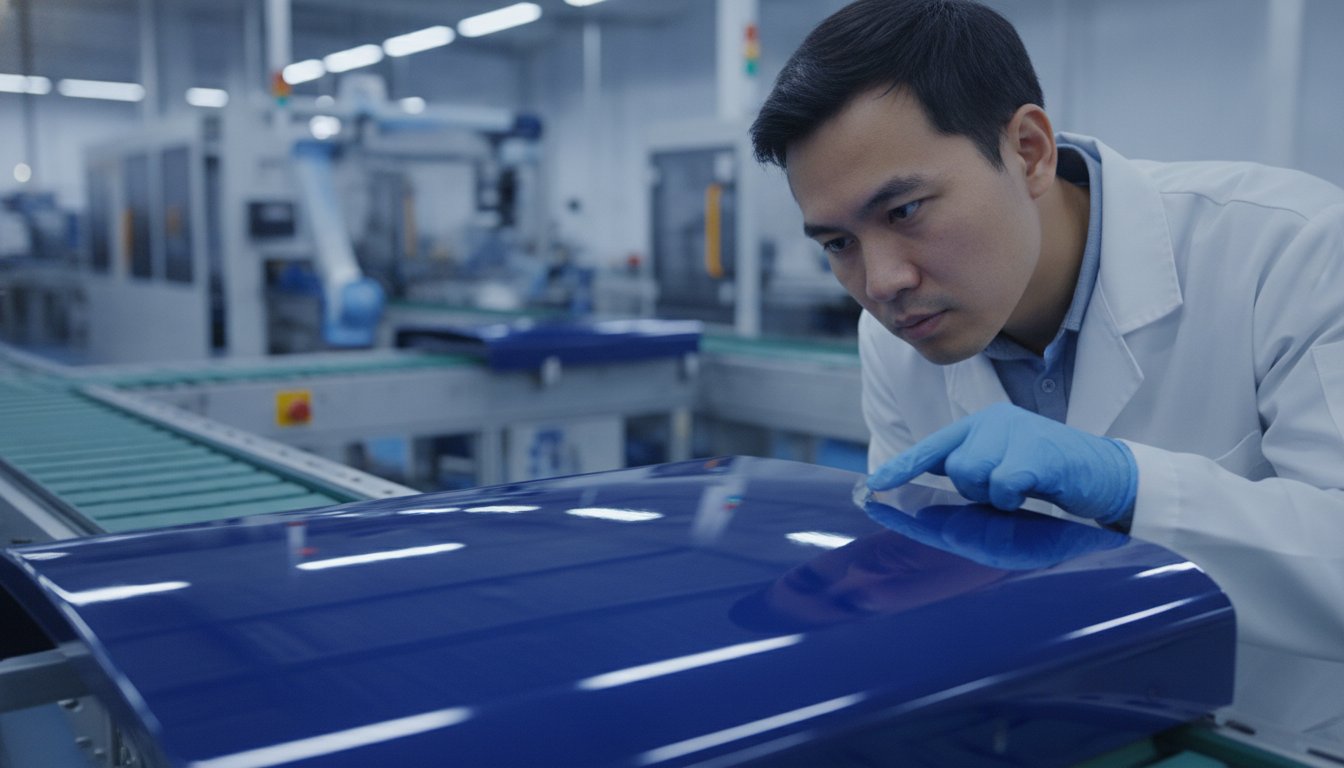
Enamel coating involves a sophisticated process of fusing glass particles to metal at temperatures exceeding 800 degrees Celsius. This creates a surface that is virtually scratch-resistant and chemically inert. It's the preferred choice for high-end or vintage-style coffee machines because of its deep, high-gloss finish. Beyond the aesthetic appeal, enamel offers superior thermal shock stability. It won't peel or discolor when the machine cycles between intense brewing temperatures and ambient room air. It's also exceptionally easy to clean, resisting the oils and stains common in professional coffee preparation.
Powder Coating for Modern Aesthetics
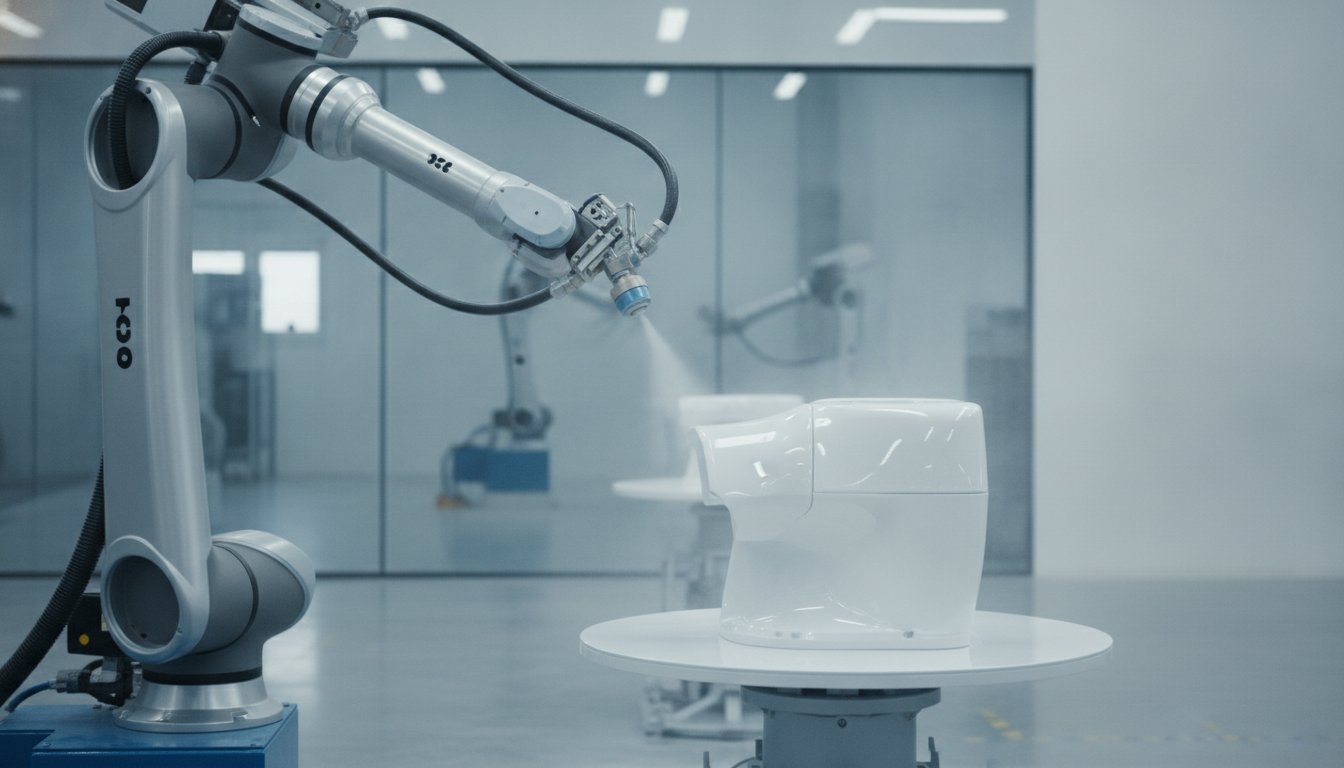
Powder coating provides a versatile and cost-effective solution for brands requiring specific, consistent color palettes across high-volume production runs. The dry powder is electrostatically applied and then cured under heat to form a hard, resilient skin. This method offers significant benefits:
Consistency: Achieve identical brand colors across thousands of units without the variations found in liquid paint.
Environmental Impact: Powder coating produces virtually no volatile organic compounds (VOCs), making it a more sustainable choice for modern manufacturing.
Resilience: The finish is highly resistant to chipping, fading, and scratching in high-traffic kitchen environments.
Choosing powder coating allows for rapid customization while maintaining a rugged, industrial-grade exterior that handles daily wear with ease.
Scaling Your Brand with Large-Scale Global Production
Scaling a hardware brand requires a fundamental shift from artisan small-batch thinking to industrial-grade logistics. In the context of private label coffee machine manufacturing, this means managing thousands of individual components, from precision pumps to electronic control boards, across a global supply chain. Moving to mass-market distribution isn't just about making more units. It's about ensuring that unit number ten thousand is identical to the first approved prototype. Success depends on a manufacturing partner with the infrastructure to handle this volume without compromising on quality or lead times.
Supply chain resilience is a critical factor for established B2B brands. Disruptions in raw material costs or shipping delays can stall your market growth. We mitigate these risks by maintaining a robust network of vetted component suppliers and leveraging our global coverage to streamline distribution. This stability allows you to focus on your 2026 market strategy while we act as your dependable production backbone. When you're ready to expand your footprint, partner with a global manufacturer that understands these complexities.
Managing High-Volume Manufacturing Capacities
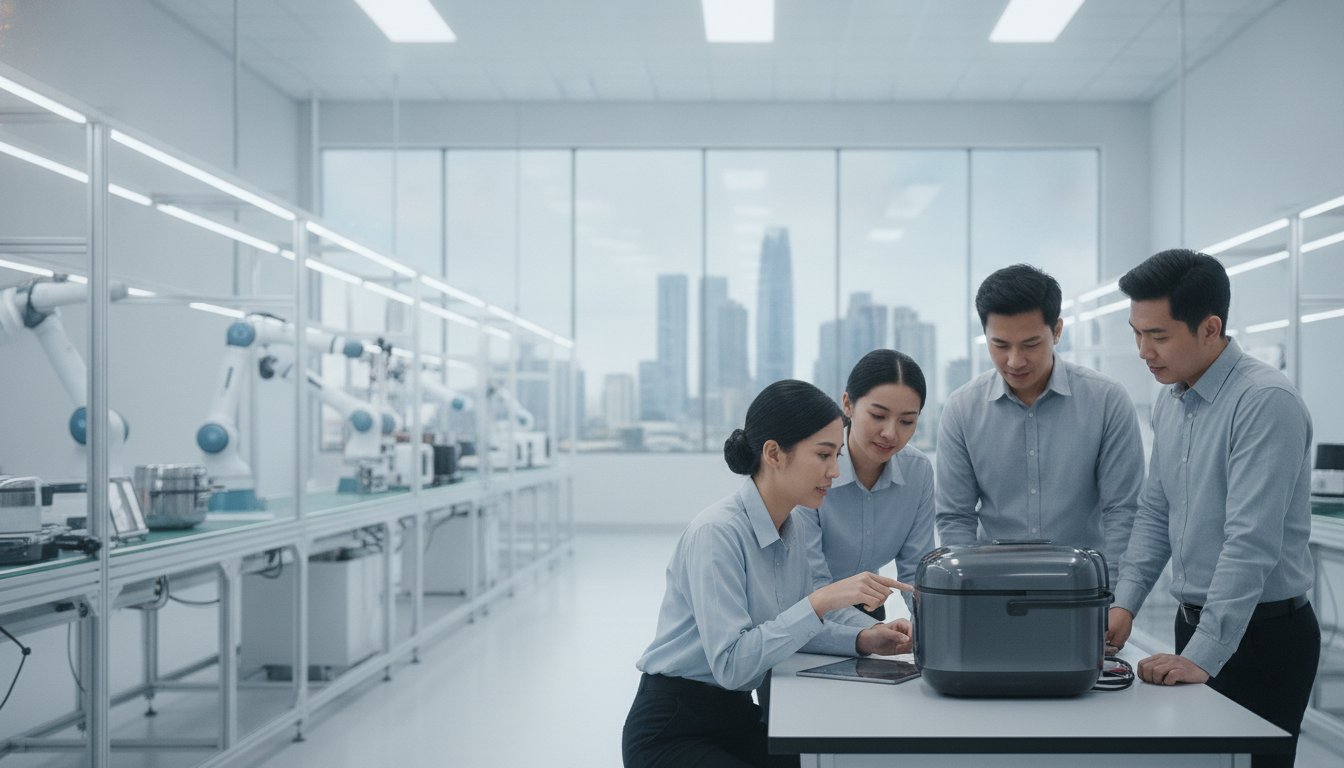
Automated assembly lines are the primary drivers of consistency. We use robotic precision for repetitive tasks like component placement and internal wiring, which reduces human error and accelerates speed-to-market. Balancing this speed with rigorous quality inspections is essential. We implement multi-stage testing protocols that occur in real-time during assembly. This approach allows us to manage seasonal demand spikes effectively. Whether you're preparing for a major holiday launch or a global rollout, our facilities are designed to scale production up or down based on your specific inventory needs.
Quality Assurance and Global Compliance
Compliance is the gatekeeper of international trade. Every coffee machine we produce must meet strict electrical safety and food-grade standards, including FDA and CE certifications. As we move into late 2026, staying ahead of regulatory changes is vital. This includes preparing for the new EU Packaging and Packaging Waste Regulation effective in August 2026 and the EU Deforestation-Free Regulation (EUDR) taking effect in December 2026. Regular factory audits ensure we maintain these benchmarks over the long term. For a deeper look at how we maintain these standards across different appliance categories, see our Roaster Oven guide.
Choosing oemhomeappliances as Your Coffee Machine Partner
Selecting the right partner for private label coffee machine manufacturing is the most consequential decision for your brand's long-term stability. oemhomeappliances (Keiteq) operates exclusively as a dedicated B2B service provider. We don't compete with our clients in the retail space. This commitment ensures that our R&D, engineering, and production resources are fully focused on your success. We act as your silent partner, providing the industrial strength needed to empower your brand identity without the conflict of interest found in many other manufacturing models.
Our "all-in-one" solution eliminates the friction of managing multiple vendors across different continents. We handle the entire product lifecycle within a unified ecosystem. This includes initial technical R&D, advanced metal finishing, and high-volume production. By centralizing these complex processes, we maintain tighter control over both quality and lead times. You won't have to worry about a prototype failing to translate to the assembly line. Our engineers and production managers work in parallel to ensure a seamless transition at every stage of the manufacturing process.
Stability and trust are the cornerstones of our B2B relationships. We understand that established brands require more than just a factory; they need a reliable backbone for their supply chain. Our facilities are equipped to handle the rigorous demands of global distribution while maintaining the flexibility to adapt to your specific market needs. This partnership-oriented approach allows you to scale your operations with confidence, knowing that your hardware partner is as invested in the precision of the final product as you are.
The Advantage of Industrial Specialisation
We bring deep expertise in metal component fabrication and advanced finishing techniques. This specialization is critical for the durability of high-end coffee machines. Our advanced capabilities in enamel and powder coating, which we've discussed in previous sections, set a high standard for appliance longevity. We've developed a proven track record of developing complex kitchen appliances for global leaders. This history is built on technical precision and a meticulous approach to execution. We focus on the practicalities of industrial production so you can focus on brand growth and market capture.
Streamlined Path to Market Entry
Reducing time-to-market is essential in the competitive 2026 appliance industry. Our integrated workflows and global supply chain expertise allow us to navigate logistical challenges and regulatory requirements with ease. We provide the technical readiness your brand needs to scale quickly and confidently. If you're ready to move from a conceptual design to high-volume global distribution, we're prepared to facilitate that journey. Contact our team to discuss your coffee machine project today and discover how our industrial capacity can become your brand's greatest competitive advantage.
Strategic Readiness for the 2026 Coffee Market
Success in the coming years depends on moving beyond generic appliances and owning the technical brewing experience. You've seen how a methodical engineering lifecycle and advanced metal finishing are essential for creating durable, premium hardware. Implementing a robust strategy for private label coffee machine manufacturing ensures your brand remains competitive as consumer expectations and regulatory requirements evolve. By focusing on industrial-grade R&D and high-volume consistency, you transform a simple appliance into a core brand asset.
We provide the specialized enamel and powder-coating expertise required for superior durability. Our comprehensive R&D and prototyping solutions bridge the gap between initial concept and global market entry. As a dedicated B2B partner for established global brands, we prioritize your long-term growth and supply chain stability. We're ready to act as the silent engine behind your next product line expansion. Take the next step in securing your market position by choosing a manufacturer that understands the nuances of professional appliance production.
Partner with a global leader in private label appliance manufacturing today and begin building a hardware ecosystem that lasts.
Frequently Asked Questions
What is the typical lead time for private label coffee machine manufacturing?
Lead times generally range from four to six months for the initial development and technical R&D phases. This timeline accounts for custom engineering, prototyping, and performance validation before production begins. Subsequent repeat orders for established models typically move through the assembly line much faster. The exact duration depends on the complexity of your custom requirements and the volume of the production run.
Do you offer custom tooling for unique coffee machine designs?
Yes, we provide custom tooling services to help brands develop unique hardware that stands out in the kitchen appliance market. This process allows for the creation of proprietary shapes and internal layouts that generic units cannot match. Investing in custom tooling ensures your product is a truly unique asset, providing a significant competitive advantage in the private label coffee machine manufacturing sector.
What certifications are required for selling coffee machines in the US and EU?
Selling in the US requires FDA compliance for food-contact materials and UL or ETL certification for electrical safety. For the EU market, machines must carry the CE mark and comply with RoHS and REACH standards. It's also critical to prepare for the August 2026 EU Packaging Regulation and the December 2026 EUDR requirements. We manage these compliance audits to ensure your products meet all regional legal standards.
Can you handle both the internal electronics and the external metal housing?
Yes, our facilities are equipped to manage both the precision electronics and the industrial metal fabrication required for modern coffee makers. This integrated approach reduces the risk of component mismatch and simplifies your supply chain management. By handling the entire hardware ecosystem, we ensure the internal heating elements and control boards function perfectly within the durable, finished metal housing.
What is the difference between OEM and ODM in the context of coffee makers?
OEM (Original Equipment Manufacturing) involves building a machine from your proprietary blueprints and technical specifications. ODM (Original Design Manufacturing) allows you to select a proven factory design and customize specific elements like the exterior finish or digital interface. OEM offers total uniqueness, while ODM provides a faster, more cost-effective path to market for brands looking to expand their product lines quickly.
How do you ensure quality consistency in high-volume production runs?
Consistency is maintained through automated assembly lines and rigorous multi-stage quality inspections. We implement real-time testing for electrical safety, pressure stability, and thermal accuracy at various points on the production line. Regular factory audits and strict adherence to ISO standards ensure every unit produced meets the same high benchmarks as your initial prototype, regardless of the total order volume.
Do you provide prototyping services before full-scale manufacturing begins?
Prototyping is a mandatory phase in our engineering lifecycle to ensure performance validation. We build functional prototypes to test brewing consistency, durability, and user interface responsiveness under real-world conditions. This stage allows us to refine the design based on technical data and aesthetic feedback before you commit to large-scale private label coffee machine manufacturing. It minimizes risk and ensures the final product meets your brand's quality expectations.
Is it possible to customise the colour and finish of the machine to match my brand?
Yes, we offer extensive customization options through industrial enamel and powder coating. Enamel provides a premium, high-gloss, and scratch-resistant finish ideal for high-end appliances. Powder coating is a versatile solution that ensures consistent brand colors across thousands of units while providing a resilient skin that handles daily kitchen wear. These finishes are essential for maintaining brand identity and protecting the hardware from moisture and heat.
Comments