Quality Control in OEM Appliance Manufacturing: A Brand Manager’s Guide


A single faulty thermostat in a batch of roaster ovens can dismantle a decade of brand equity in hours. You understand that mass production shouldn't mean compromising on precision. Whether it's inconsistent powder coating on air fryers or a failure to meet the latest IEC 60730-2-9:2026 safety standards, every defect reflects directly on your name. Implementing rigorous quality control in OEM appliance manufacturing is the only way to safeguard your reputation while scaling your business effectively.
We agree that your customers expect excellence from every box they open. It's frustrating when finishing inconsistencies or safety compliance risks threaten your market position. This guide teaches you how to protect your brand reputation and ensure product excellence through protocols that guarantee every unit meets your exact aesthetic and functional standards. We'll examine the transition to ISO 9001:2026, the necessity of zero-defect shipments, and how to maintain full regulatory compliance for complex heating appliances. By the end, you'll have a clear roadmap for selecting a partner that prioritizes stability and long-term trust over simple volume.
Table of Contents
Why Quality Control is the Foundation of OEM Brand Partnerships
An OEM relationship is more than a simple transaction. It's an extension of your brand's promise to the consumer. When you outsource the production of high-stakes products like air fryers or coffee machines, you're entrusting your hard-earned reputation to a third party. Rigorous quality control in OEM appliance manufacturing ensures this trust remains intact. It protects your brand equity by guaranteeing that every unit leaving the factory floor matches the performance and finish of your approved prototype. Consistency is the primary metric of a successful partnership.
Investing in stringent protocols reduces the total cost of quality. While intensive testing requires an upfront investment, it's a fraction of the cost associated with field failures. A single batch of defective rice cookers can lead to mass returns, complex logistics nightmares, and the permanent loss of shelf space in major retail chains. By preventing these failures at the source, you protect your margins and your retail relationships. This proactive stance is what separates market leaders from those who are constantly managing crises.
Compliance is essential for global scalability. Adhering to Good Manufacturing Practice (GMP) principles allows manufacturers to navigate diverse regulatory landscapes like UL, CE, and RoHS with confidence. This systematic approach maintains long-term supply chain stability. It prevents the sudden production halts that occur when a component fails to meet updated safety standards, such as the IEC 60730-2-9:2026 requirements for temperature sensing controls. A partner that prioritizes these standards ensures your product line remains viable in every market you serve.
The Risk of Substandard Manufacturing
Recalls are the ultimate brand killer. Beyond the immediate financial hit, the damage to market share can take years to repair. In the context of heating appliances like roaster ovens or BBQ grills, the stakes are even higher. Safety failures aren't just a customer service issue. They carry significant legal implications and liability risks. High return rates in retail also erode your margins through restocking fees and damaged-goods processing costs. Substandard manufacturing effectively turns your product into a liability.
Quality as a Competitive Advantage
Superior finishing serves as a powerful differentiator in a crowded market. Premium private label brands rely on consistent, high-durability enamel or powder-coated finishes to signal value to the consumer. This "out-of-the-box" reliability builds deep consumer trust. You can even leverage factory QC data in your marketing to demonstrate transparency. Showing that your portable cooking equipment undergoes 100% functional testing provides a compelling reason for buyers to choose your brand over a cheaper, unverified competitor. Precision isn't just about avoiding errors; it's a tool for growth.
The 4-Stage Quality Control Framework for Appliance Manufacturing
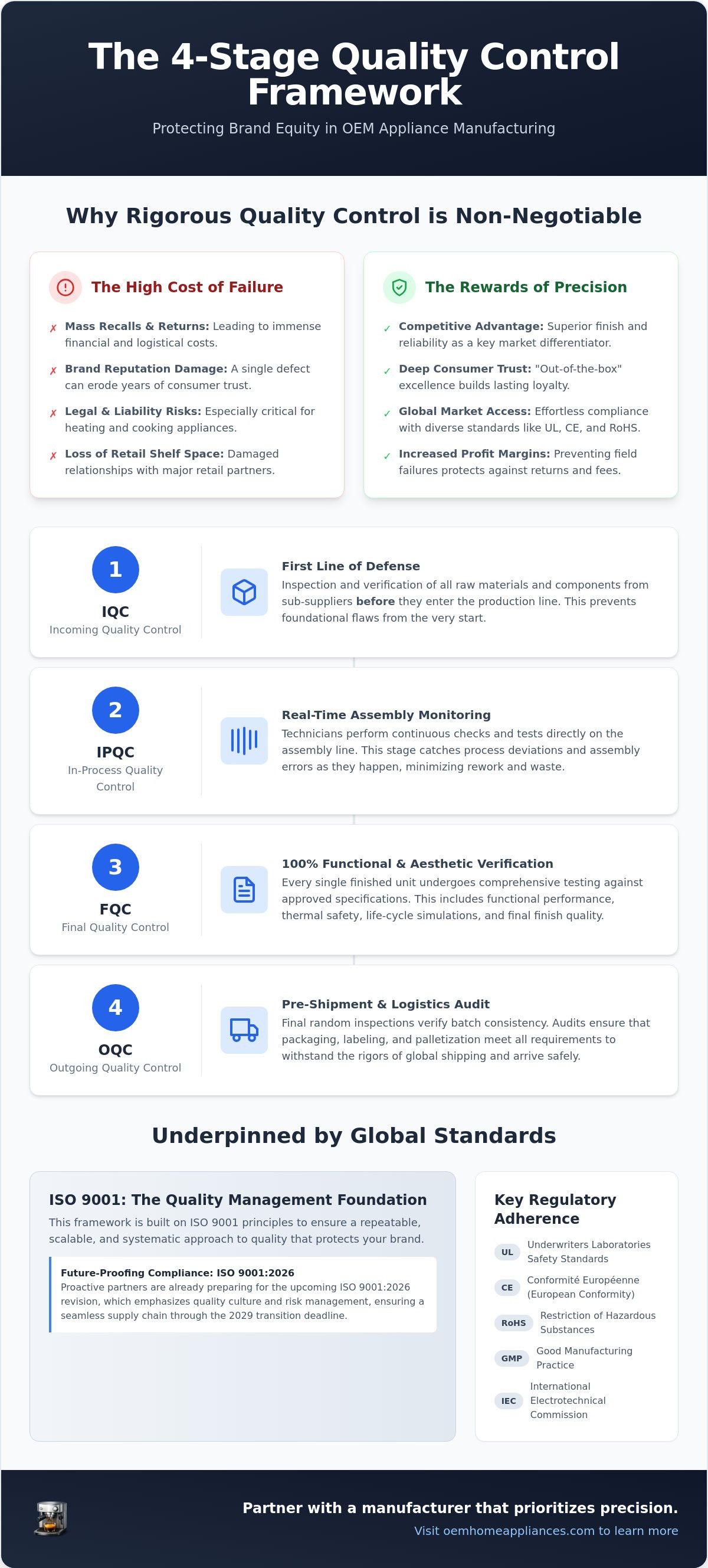
Effective quality control in OEM appliance manufacturing relies on a systematic, four-stage approach. This framework ensures that errors are caught early, reducing waste and protecting your brand's integrity. By following ISO 9001 quality management standards, manufacturers create a repeatable process that scales with your growth. It's critical to note that with the ISO 9001:2026 revision approaching, your partner should already be preparing for the updated focus on quality culture and risk management. This proactive alignment ensures your supply chain remains compliant through the three-year transition period ending in 2029.
The four stages of a robust QC framework include:
IQC (Incoming Quality Control): This is the first line of defense. It involves inspecting raw materials and components from sub-suppliers before they enter the production environment.
IPQC (In-Process Quality Control): Technicians perform real-time monitoring on the assembly line. This stage catches assembly errors before they become embedded in the finished product.
FQC (Final Quality Control): Every finished unit undergoes comprehensive testing to ensure it meets functional and aesthetic specifications.
OQC (Outgoing Quality Control): Pre-shipment audits verify that the packaging and palletization will withstand the rigors of global logistics.
Raw Material and Component Validation
Quality begins with the substrate. For products like roaster ovens, technicians must test metal gauge and alloy consistency to ensure even heat distribution. We also verify the chemical composition of enamel and powder coatings to prevent peeling or discoloration over time. Inspecting electrical components from sub-suppliers is non-negotiable. If you're looking for a partner that manages these details with precision, oemhomeappliances.com provides integrated material verification as part of their core service.
Assembly Line Monitoring and Automation
Modern production lines use Automated Optical Inspection (AOI) to ensure the precision alignment of components. This technology identifies misplacements that the human eye might miss during high-speed assembly. We use Statistical Process Control (SPC) to identify manufacturing drifts before they result in defects. This data-driven approach allows for immediate corrective action. Standardized work instructions and continuous operator training ensure that manual assembly steps remain consistent across every shift. This combination of technology and human expertise ensures that your air fryers or blenders perform exactly as designed, unit after unit.
Critical Testing Protocols for Small Kitchen Appliances
High-heat appliances require specialized validation that goes beyond basic electrical checks. Standardized safety inspections are insufficient for products like air fryers or roaster ovens where thermal management is the primary safety concern. In quality control in OEM appliance manufacturing, testing must simulate the extreme conditions these products face in a domestic kitchen. This involves a combination of high-voltage insulation tests and precise thermal mapping to ensure the outer chassis remains safe to touch during operation.
Electrical safety remains a non-negotiable priority. Every unit must undergo Hi-pot (high potential) testing to verify that the insulation can withstand voltage surges without breaking down. Grounding continuity tests ensure that any electrical fault is safely diverted, preventing shock hazards. We also align our protocols with the latest May 2026 IEC updates, specifically IEC 60730-2-9:2026 for temperature sensing controls. These standards are essential for the thermostats used in small appliances to prevent overheating and potential fire risks.
Food-grade compliance is another critical pillar. Surfaces that contact food, such as the baskets in air fryers or the inner pots of rice cookers, must be verified as non-toxic and stable under high heat. We conduct extraction testing to ensure that coatings don't leach chemicals into food. Combined with life-cycle durability testing, which simulates years of daily lid openings and button presses, these protocols ensure the appliance remains both safe and functional for its entire expected lifespan.
Durability Standards for Enamel and Powder Coatings
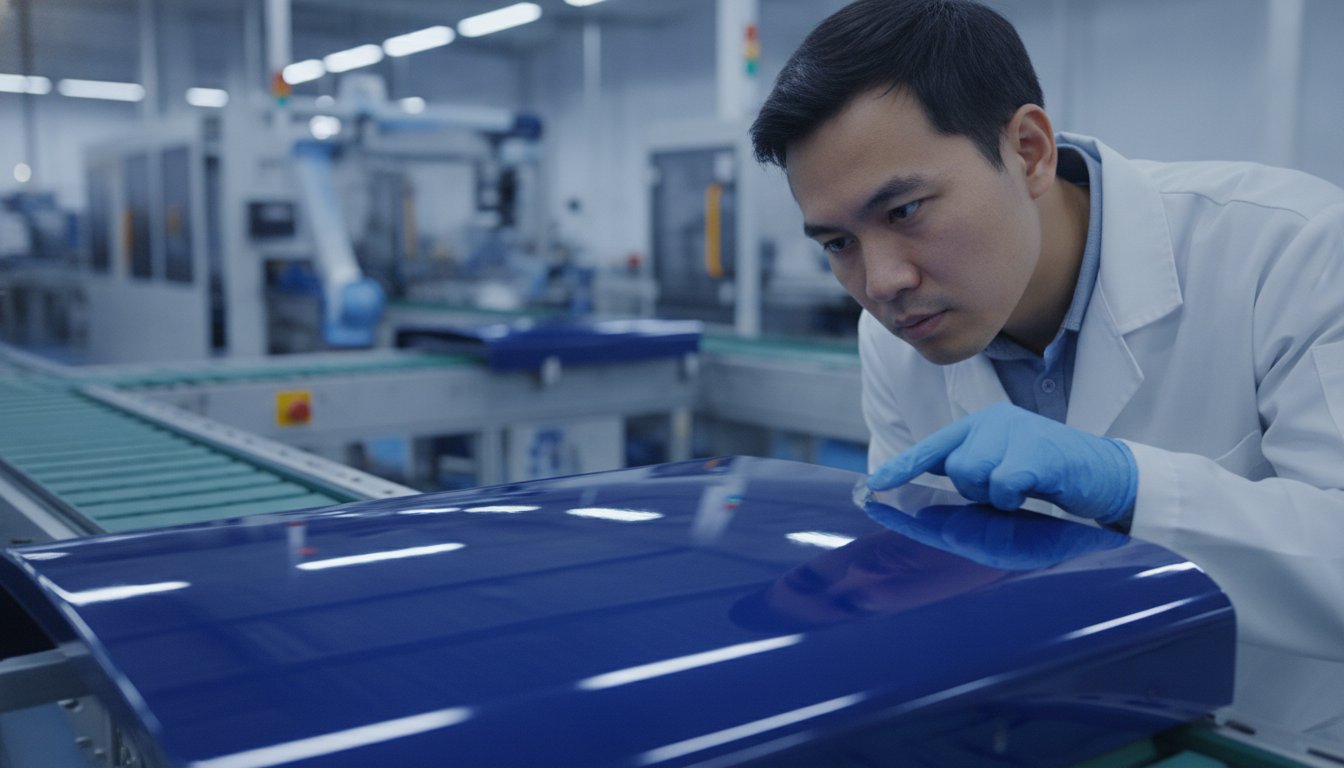
Coatings on metal components must do more than look good; they must endure. We perform cross-hatch adhesion testing to ensure that powder coatings won't chip or peel under stress. Chemical resistance testing is equally vital, as it confirms the finish can withstand aggressive household cleaning agents without losing its luster. For enamel-coated components, thermal shock resistance testing is mandatory. We subject parts to rapid temperature fluctuations to ensure the coating doesn't crack or delaminate when the appliance heats up or cools down quickly.
Performance Benchmarking for Cooking Equipment
Consistency is what builds consumer trust. Performance benchmarking focuses on temperature accuracy and stability in convection-based appliances. For air fryers, we measure airflow patterns to ensure even browning and crisping across the entire cooking chamber. We also conduct functional testing of user interfaces. Digital controls and sensors must respond instantly and accurately to user inputs. By verifying these performance metrics during the manufacturing process, you ensure that every customer receives a product that performs exactly as advertised.
How to Audit an OEM Factory’s Quality Management System
A successful audit goes beyond verifying a certificate on a wall. It's a methodical investigation into the factory's ability to maintain quality control in OEM appliance manufacturing under the pressure of high-volume production. When you step onto the floor, your focus should be on the evidence of a living Quality Management System (QMS). Start by checking the calibration stickers on testing equipment. If a Hi-pot tester or a digital thermometer hasn't been calibrated within the manufacturer's specified window, the data it produces is unreliable. This technical oversight is often a red flag for deeper systemic issues.
Next, review the Non-Conformance Reports (NCR). A factory with zero reported errors isn't perfect; it's likely hiding data. You want to see a clear history of identified defects followed by documented corrective actions. This process proves that the manufacturer doesn't just catch mistakes but evolves to prevent them. As the industry prepares for the ISO 9001:2026 standard, look for manufacturers who are already integrating risk-based thinking and ethical behavior into their QMS. This foresight ensures your supply chain remains stable through the mandatory transition period ending in September 2029.
Reviewing Documentation and Traceability
Traceability is your insurance policy against total brand collapse. In an effective system, a manufacturer can trace a specific air fryer back to the exact batch of powder-coated metal used for its chassis. Digital record-keeping is the gold standard here. Manual logs are prone to human error and significantly slow down the response time during a potential recall. Ask for a "traceability exercise" during your audit. Challenge the team to find the component-level data for a random unit on the shipping dock within 30 minutes. If they can't, your brand is exposed to unnecessary risk.
Evaluating the Human Element of Quality
The best automation can't compensate for a poor quality culture. Observe the interaction between assembly line operators and QC technicians. Do operators have the authority to stop the line if they spot a finishing defect on a roaster oven? Ongoing technician training is vital, especially with the 2026 updates to IEC 60730-2-9 for temperature sensing controls. A manufacturer that invests in a skills gap analysis and regular internal audits demonstrates a commitment to partnership rather than just volume. If you need a partner that maintains these elite standards, contact oemhomeappliances.com to discuss your manufacturing audit requirements.
oemhomeappliances: Precision Manufacturing for Global Brands
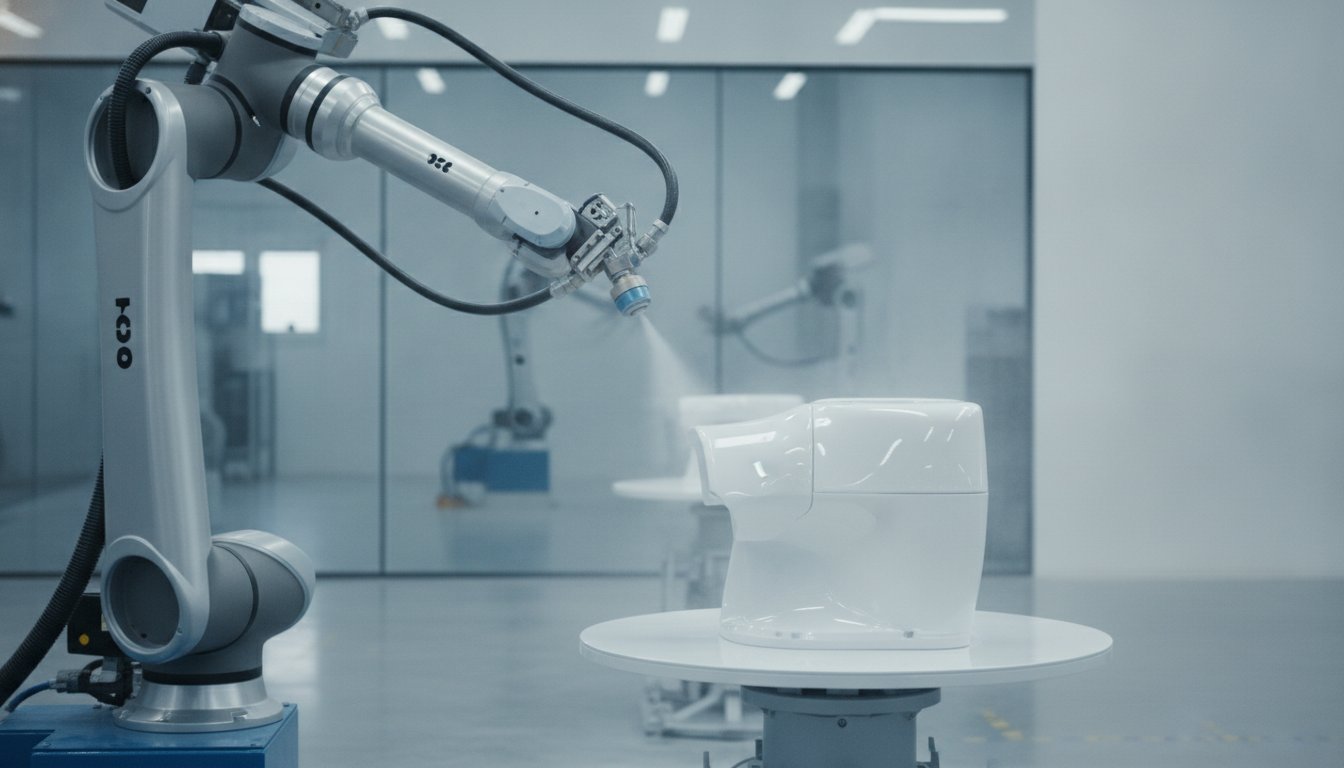
oemhomeappliances provides a comprehensive manufacturing solution for brands that demand technical excellence. We operate as an integrated partner, managing every phase from initial product design to specialized metal finishing. This end-to-end oversight is vital for maintaining elite quality control in OEM appliance manufacturing. By producing powder-coated metal components and enamel-coated products within our own facilities, we remove the variables and delays often found in fragmented supply chains. Our expertise in metal finishing isn't just about aesthetics; it's about ensuring the longevity and safety of the final product.
Our facilities are equipped to handle large-scale production for a wide range of kitchen electronics. We focus on high-durability roaster ovens, air fryers, and rice cookers that must perform under heavy daily use. Our R&D department works alongside your team to develop prototypes that are optimized for both performance and manufacturability. This ensures that when we transition to mass production, the process is seamless and the output is consistent. We understand that your reputation depends on the quality of the first unit as much as the thousandth. Our scalable production capacities are designed to grow with your market share, providing the industrial strength required for global distribution.
We use industry-standard B2B processes to ensure that your private label products stand out on the retail shelf and endure in the consumer's home. This commitment to precision manufacturing is why global brands trust us to act as their dependable backbone. We understand the nuances of rebranding and private labeling, providing the quiet authority required to empower your business growth. Our approach is methodical and direct, focusing on the practicalities of production so you can focus on market expansion.
Our Commitment to Quality Standards
We don't believe in one-size-fits-all quality management. Instead, we use category-specific testing protocols that address the unique failure points of different appliances. Our transparent reporting provides you with real-time data, allowing for partnership-driven decisions that protect your brand equity. We position ourselves as a silent but powerful partner in your success, providing the industrial strength you need to compete at the highest level. Every roaster oven and air fryer undergoes rigorous validation to ensure it meets your exact specifications before it leaves our dock.
Partnering for Scalable Growth
Scaling a brand into new markets requires a manufacturer that understands global regulatory shifts. We assist established businesses in expanding their product lines with confidence, offering the flexibility to customize portable cooking equipment and kettles to specific regional standards. To learn more about our specialized processes, read our Custom Roaster Oven Manufacturing: The 2026 Strategic Partner Guide. If you're ready to discuss your next project, reach out to our team to begin a custom manufacturing consultation and secure a partner dedicated to your long-term stability.
Scaling Your Brand Through Manufacturing Excellence
Securing a dominant market position requires more than just innovative design; it demands absolute consistency. By implementing a multi-stage framework and rigorous testing protocols for heating appliances, you protect your brand from the financial and reputational damage of field failures. True quality control in OEM appliance manufacturing is a proactive strategy that integrates material science with automated compliance. This approach ensures your products meet the highest safety standards while maintaining the premium aesthetic finish your customers expect.
Choosing a partner with ISO-compliant manufacturing processes and specialized enamel and powder coating expertise is essential for long-term stability. Our proven track record with global kitchenware brands demonstrates our commitment to precision and scalability. We act as the dependable backbone for your expansion, allowing you to focus on growth while we manage the complexities of production. Contact oemhomeappliances for your custom manufacturing needs and secure a partnership built on transparency and technical authority. Your path to a zero-defect supply chain starts with a commitment to excellence.
Frequently Asked Questions
What is the difference between QC and QA in appliance manufacturing?
Quality Assurance (QA) focuses on the manufacturing process to prevent errors before they occur through training and Standard Operating Procedures. Quality Control (QC) is product-oriented and involves inspecting the final units to detect defects. Both are essential elements of quality control in OEM appliance manufacturing to ensure your brand standards are maintained across every shipment.
How do you ensure food safety in enamel-coated kitchenware?
We ensure food safety by conducting rigorous extraction testing on all surfaces that contact food. This process verifies that enamel coatings don't leach chemicals or toxic substances when subjected to high heat. We also audit the chemical composition of raw materials at the Incoming Quality Control stage to guarantee they meet global food-grade compliance standards.
Can an OEM manufacturer handle UL or CE certification processes?
Most experienced OEM manufacturers manage the entire certification process, including technical documentation and third-party lab coordination. They ensure that all components, such as temperature sensing controls, meet the latest safety requirements like IEC 60730-2-9:2026. This partnership allows brand managers to launch products in global markets with full regulatory confidence.
What is the typical defect rate for high-volume appliance production?
In high-volume production, a defect rate below 1% is generally considered the industry standard. However, top-tier manufacturers aim for "Zero Defect" shipments by tracking parts per million (PPM) rather than simple percentages. This level of precision is achieved through Statistical Process Control and continuous monitoring of the assembly line to identify manufacturing drifts early.
How often should a brand manager conduct a factory audit?
You should conduct a full factory audit at least once a year for established partners to verify their Quality Management System remains effective. For new partnerships or when launching complex products like air fryers, quarterly audits or per-batch inspections are recommended. These regular checks ensure that the factory's commitment to quality hasn't wavered during peak production periods.
What role does automation play in appliance quality control?
Automation increases inspection speed and removes the risk of human error in repetitive tasks. Automated Optical Inspection (AOI) identifies alignment issues that the human eye might miss, while digital sensors provide real-time data for quality control in OEM appliance manufacturing. This data-driven approach allows for immediate corrective actions on the factory floor.
How are metal components tested for durability?
Metal components undergo cross-hatch adhesion testing to ensure that powder or enamel coatings won't chip or peel under stress. We also perform thermal shock resistance tests, subjecting parts to rapid temperature fluctuations to verify structural integrity. Chemical resistance testing confirms the finish can withstand aggressive household cleaning agents without losing its aesthetic or functional properties.
What happens if a quality issue is detected after shipment?
If a post-shipment issue occurs, the manufacturer uses digital traceability logs to isolate the specific batch and raw material sources involved. A formal Root Cause Analysis (RCA) is then conducted to identify the failure point and implement corrective actions. This process ensures the issue is contained and that Standard Operating Procedures are updated to prevent recurrence.

Comments