Reliable OEM Appliance Supplier Checklist: 10 Pillars of a Successful 2026 Manufacturing Partnership
A manufacturing partnership that worked in 2024 is likely a liability in 2026. As global trade compliance tightens and new regulations for ceramic ware take effect on August 1, 2026, finding a reliable OEM appliance supplier requires more than just checking a price list. You likely feel the pressure of fluctuating product quality and the constant risk of geopolitical supply chain disruptions. It's a common frustration for procurement managers who need stability to scale their brands without compromising on the technical excellence of their finished goods.
We've developed this guide to help you move past the uncertainty of unreliable lead times and insufficient technical support. You'll learn how to vet manufacturers based on the 10 critical pillars of modern production, from R&D depth to compliance with Malaysia's tiered, outcome-based New Incentive Framework. We'll examine how to secure a partner that delivers high-quality roaster ovens and air fryers while maintaining the scalability your business demands for a successful 2026. This checklist ensures your next manufacturing choice is a strategic asset rather than a logistical hurdle.
Table of Contents
Defining the Reliable OEM Appliance Supplier in 2026
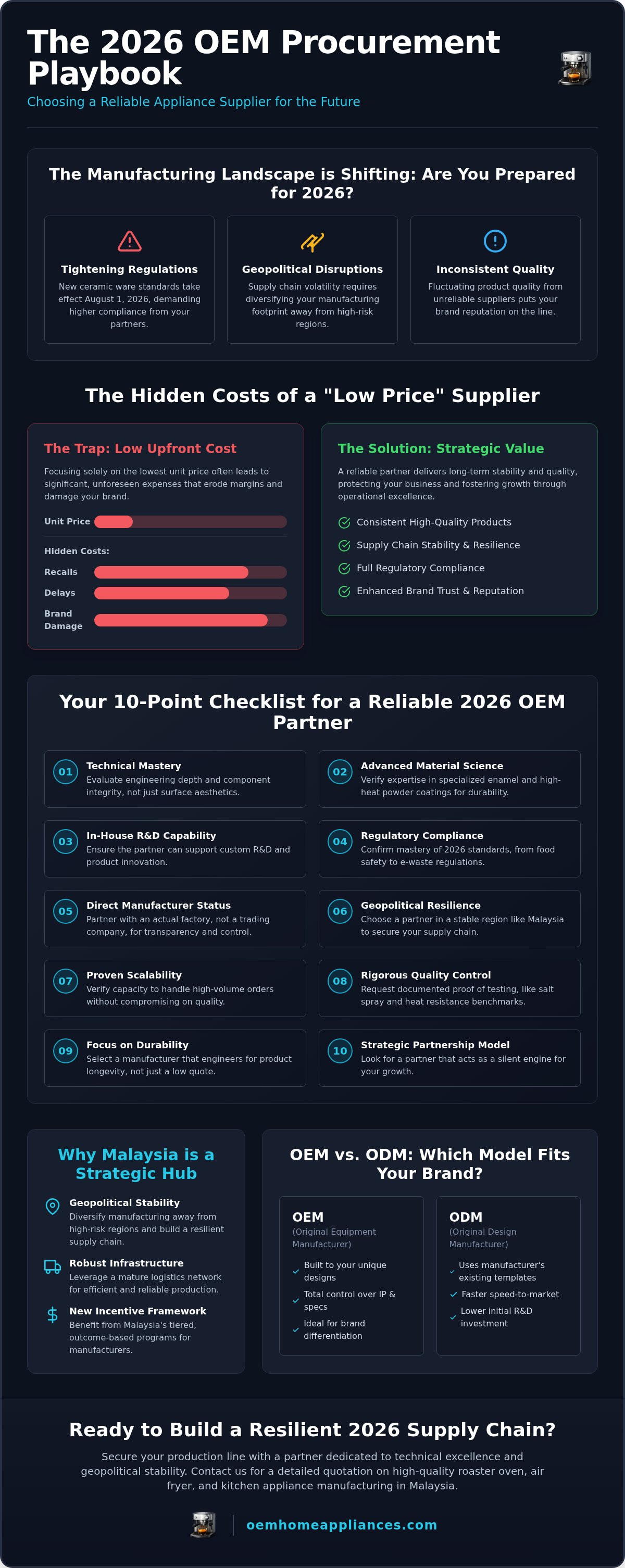
The 2026 market demands more than just a source for components. A Original Equipment Manufacturer (OEM) is no longer just a vendor; they're a strategic production partner. True reliability is measured by technical capability and the ability to adapt to shifting regulations, like the new ceramic ware standards coming in August 2026. If you focus only on unit price, you overlook the engineering depth required to maintain brand reputation. A partner that understands these shifts helps you navigate compliance without slowing down your production timeline.
Many procurement officers accidentally hire brokers instead of direct manufacturers. A broker adds a layer of communication risk and cost without adding production value. A reliable OEM appliance supplier owns the factory floor, manages the quality control of enamel coatings, and provides direct technical support for custom R&D. This direct relationship ensures that your rice cookers or air fryers meet consistent standards across every batch. It's about finding a partner that acts as a silent engine for your growth, allowing you to focus on marketing while they handle the complexities of precision manufacturing and supply chain logistics.
OEM vs. ODM: Which Model Fits Your Brand?
OEM focuses on your unique designs and proprietary specs. This is ideal if you have specific engineering requirements for your roaster ovens or coffee machines. Conversely, Original Design Manufacturing (ODM) allows you to use a manufacturer's existing templates for faster market entry. Selecting the right path depends on your brand's technical maturity and timeline. It's a choice between total customization and speed. For a deeper dive into these choices, consult our Strategic Guide to Outsource Appliance Production in 2026.
The Cost of an Unreliable Supplier
The "cheap unit price" trap is a common mistake in high-volume orders. When a supplier cuts corners on powder-coated metal components to lower costs, your brand pays the price in product recalls and shipping delays. These hidden expenses quickly erode the thin margins typical of the appliance industry. In 2026, with Malaysia's absolute ban on e-waste imports, product longevity isn't just a quality issue; it's a compliance necessity. A dedicated B2B manufacturer focuses on reducing long-term operational risk by prioritizing durability over the lowest possible initial quote. This stability is essential for maintaining trust with your retail partners and end consumers, especially as the Asia-Pacific appliance market reaches a valuation of USD 268.21 billion.
Reliability is a global priority across all equipment categories; for instance, Champion Baltics provides specialized power equipment to ensure operational consistency for businesses and homeowners in the Baltic region.
Technical Mastery: Sourcing Quality Beyond the Surface
Aesthetics often mask underlying engineering weaknesses in mass-produced kitchenware. For a procurement manager, identifying a reliable OEM appliance supplier requires looking past the exterior to evaluate material engineering and R&D depth. Reliability isn't just about a functional prototype; it's about the chemical stability of coatings and the structural integrity of internal components under high-heat conditions. Choosing a partner with proven technical standards is a primary step in building Geopolitical Resilience within your supply chain, ensuring that your products don't just reach the market, but stay there without failure.
Material selection serves as the most accurate indicator of a manufacturer's quality ceiling. Standard non-stick coatings often fail under the rigorous thermal cycles of modern air fryers or roaster ovens. In contrast, specialized enamel-coated products offer superior heat retention and chemical resistance, making them the benchmark for premium cooking equipment. Integrating high-quality powder-coated metal components further ensures that the appliance housing resists corrosion in humid kitchen environments. You can explore our full range of material capabilities in our Services Overview.
Specialized Enamel and Powder Coating Standards
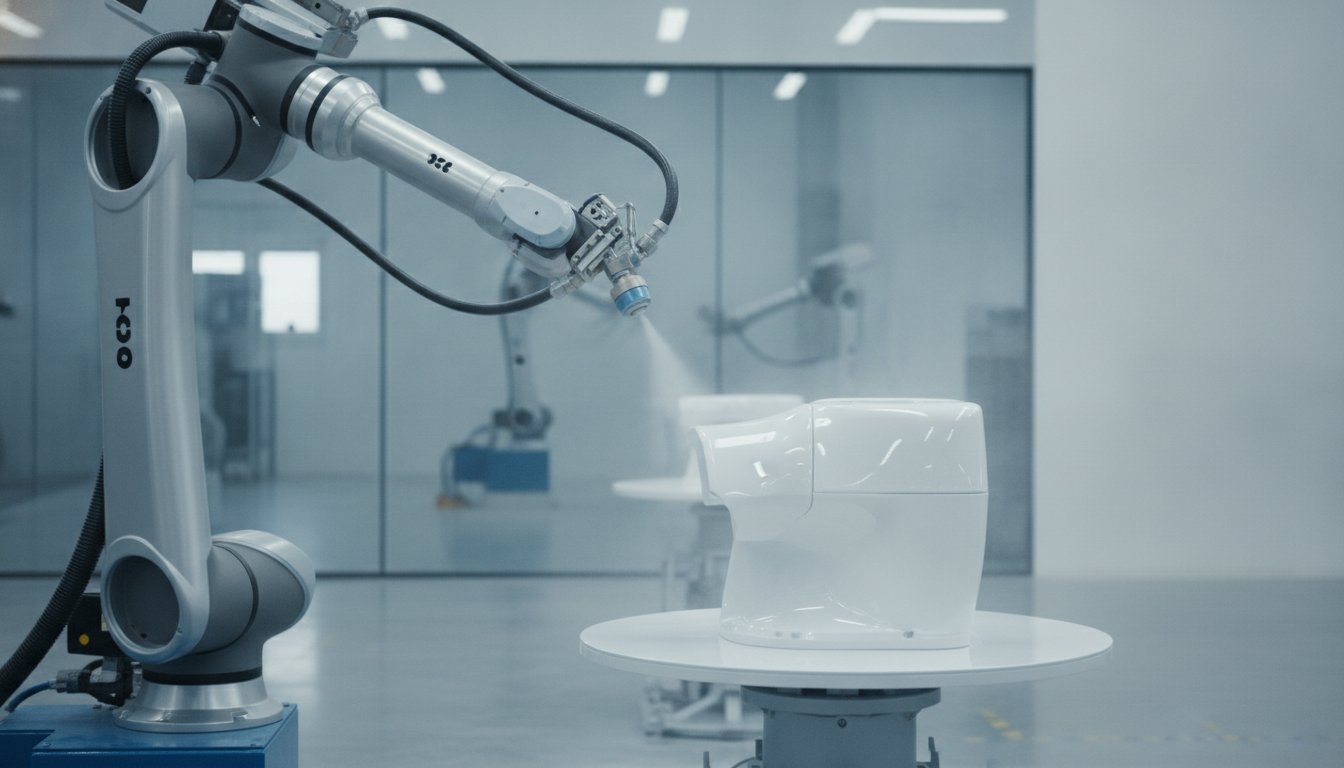
Enamel coating is a technical discipline that requires precise temperature control during the firing process. For roaster ovens, this finish provides a non-porous surface that doesn't leach chemicals at high temperatures, meeting the strict 2026 Malaysian food safety regulations. High-heat powder coating for air fryers must also pass rigorous salt spray tests and heat resistance benchmarks to prevent peeling or discoloration over time. If a supplier cannot provide documented proof of these tests, they aren't ready for a professional partnership.
Engineering Performance and Safety
Thermal management is the silent hero of portable cooking equipment. A well-engineered appliance directs heat toward the food while keeping the external casing and electronics cool. This requires sophisticated internal airflow design and high-grade insulation materials. Every product must align with global safety standards such as UL, CE, and RoHS to ensure compliance in international markets. Prototyping plays a critical role here; it allows us to stress-test the engineering before moving into mass production, effectively eliminating the risk of catastrophic field failures. If you're ready to upgrade your product line, you can discuss your technical specifications with our engineering team today.
A supplier's R&D capability determines how well your brand can innovate. Can they handle the design and development of a new rice cooker from scratch? Do they have the laboratory equipment to verify electromagnetic compatibility? A reliable OEM appliance supplier acts as an extension of your own engineering team, providing the technical support needed to turn a concept into a scalable, high-performance reality.
Geopolitical Resilience: Why Malaysia is the Strategic Choice
Diversifying your production footprint is no longer a luxury; it's a necessity for any brand aiming for 2026 longevity. The "China Plus One" strategy has shifted from a boardroom theory to a practical requirement as procurement managers seek to mitigate trade volatility. Malaysia has emerged as the premier destination for this shift, offering a stable environment that balances cost-efficiency with high-end technical infrastructure. When you partner with a reliable OEM appliance supplier in this region, you aren't just buying capacity; you're securing a hedge against global supply chain bottlenecks.
The Malaysian manufacturing sector is currently in a period of sophisticated expansion. With manufactured exports projected to grow by 9.6% in 2026, the country has solidified its role as a global hub for electrical and electronic products. This growth is supported by the New Incentive Framework (NIF) introduced on March 1, 2026, which prioritizes high-value manufacturing projects. For a deeper analysis of how this region compares to traditional hubs, see our Malaysia vs China Appliance Manufacturing: A 2026 Strategic Sourcing Guide.
Supply Chain Stability in Southeast Asia
Malaysia's location provides a logistical advantage that few other hubs can match. Its proximity to major shipping lanes and a robust network of local component suppliers for heating elements and electronics ensures that production remains on schedule. Beyond logistics, the country offers strong intellectual property protection and labor standards that align with international B2B expectations. This regional stability translates directly to predictable lead times, allowing your brand to maintain inventory levels without the fear of sudden geopolitical closures or tariff spikes.
Expertise in Complex Appliance Assembly
The local workforce possesses a deep history in precision metalwork, a skill set essential for the assembly of high-quality kitchen appliances. This expertise is particularly evident in the production of roaster ovens and air fryers, where structural integrity and thermal safety are paramount. Scalability is a core strength here; the ecosystem is designed to handle bulk orders without the quality drops often seen in overextended manufacturing hubs. By choosing a reliable OEM appliance supplier in Malaysia, you tap into a silent but powerful engine capable of supporting global brand expansion through consistent, high-volume output. The 100% foreign ownership policy further signals Malaysia's commitment to being a transparent and accessible partner for international businesses.
The 2026 Procurement Checklist: 10 Pillars of Reliability
Selecting a reliable OEM appliance supplier requires a structured framework that goes beyond a simple factory tour. In a market where the Asia-Pacific home appliance sector is valued at USD 268.21 billion, your vetting process must be data-driven and uncompromising. This checklist serves as your baseline for verifying a partner's ability to sustain your brand's growth through 2026 and beyond. A true partner doesn't just fill orders; they provide the technical depth and operational transparency needed to protect your market share.
Direct Manufacturing Status: Verify that the company owns the production assets. Avoid brokers who add cost without adding production control.
In-house R&D and Prototyping: Ensure the supplier can handle specialized kitchen appliance development from concept to final design.
Specialized Coating Expertise: In-house enamel and powder coating facilities are non-negotiable for the durability of roaster ovens and air fryers.
Quality Management Systems (QMS): Confirm current ISO certifications and compliance with the August 1, 2026, Malaysian ceramic ware regulations.
Operational Ethics: Verify "no direct-to-retail" policies to ensure your manufacturer isn't competing with your own brand.
Vetting the Factory Floor
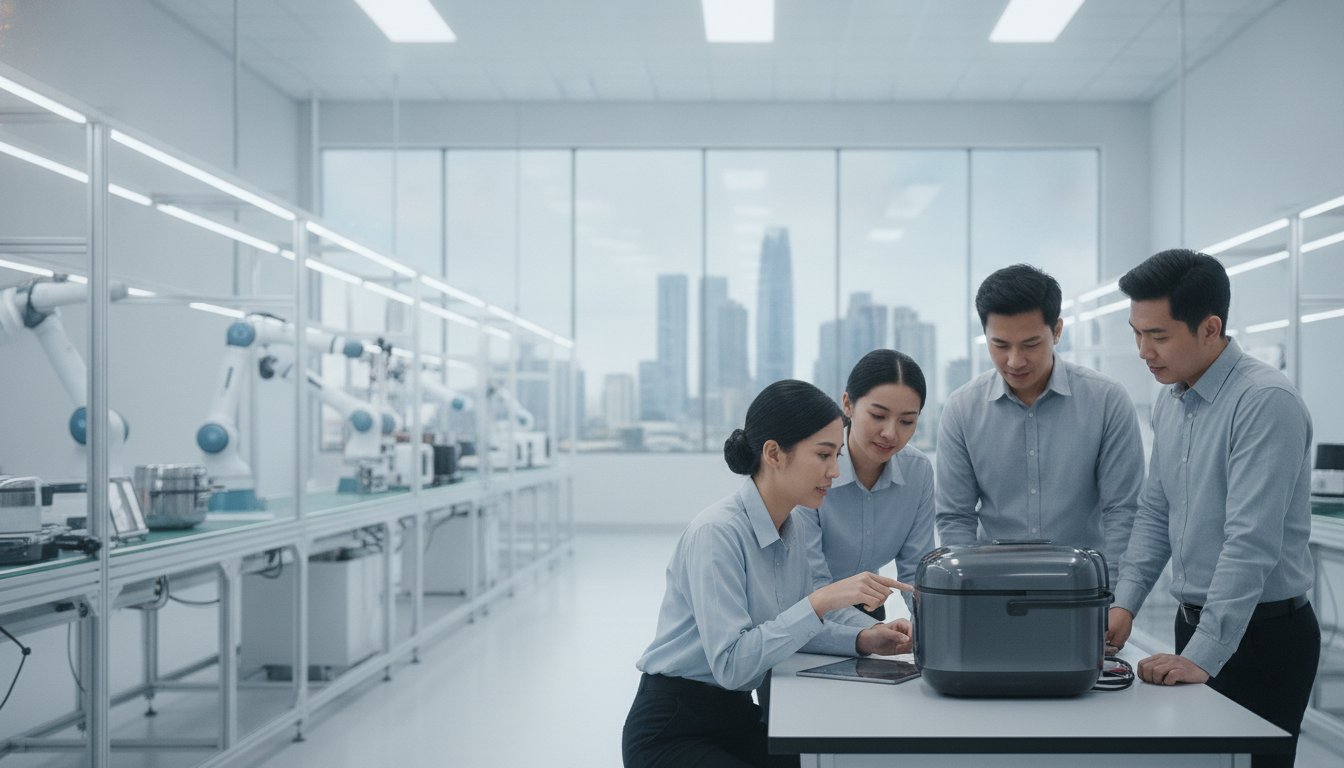
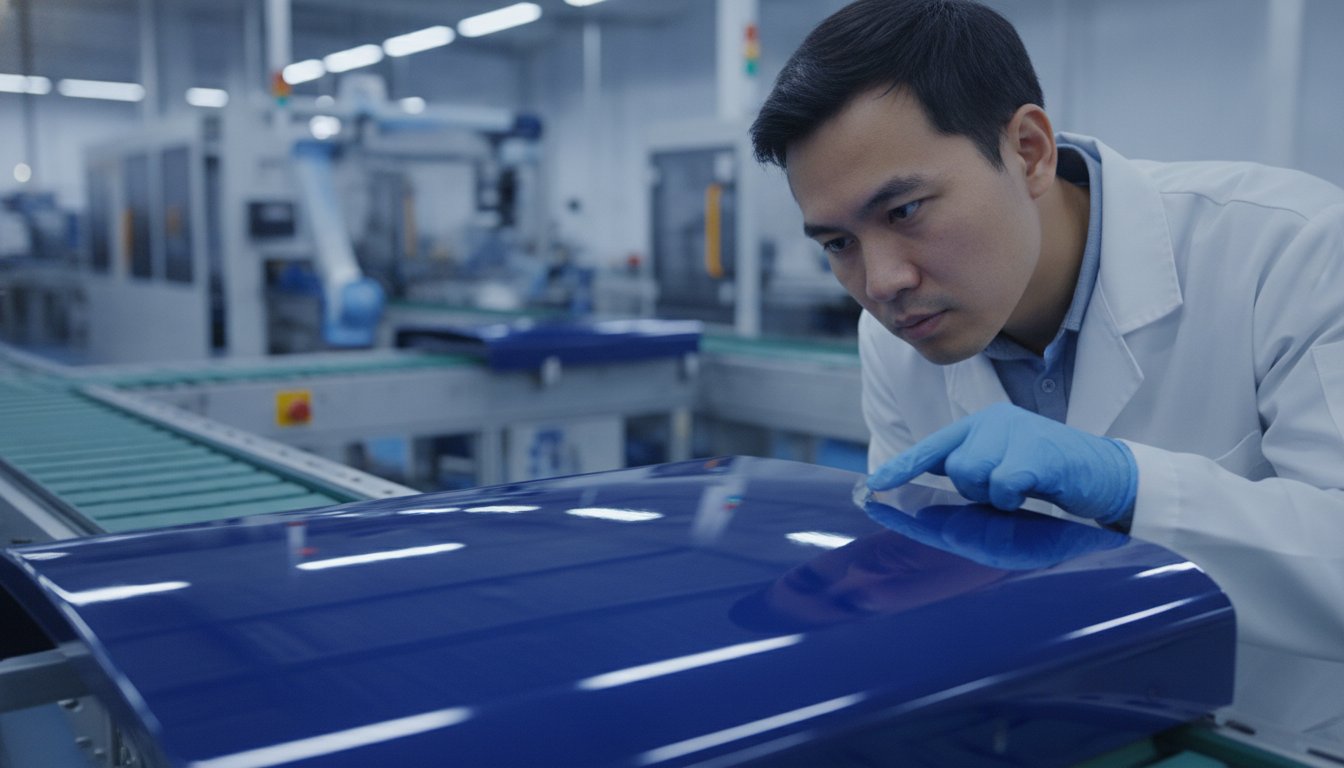
Consistency in high-volume production is only possible through automation. When you audit a facility, look for automated assembly lines that reduce human error and increase throughput. Manual lines often result in fluctuating quality that can lead to costly recalls. You should also assess the internal testing labs. With Malaysia's absolute ban on e-waste imports effective April 1, 2026, your products must be built for longevity to avoid regulatory friction. A manufacturer that invests in stress-testing labs for thermal management and electrical safety is a partner that protects your brand's reputation. These facilities prove that the reliable OEM appliance supplier you've chosen is committed to long-term excellence rather than short-term savings.
Logistics and Communication Benchmarks
Technical depth is useless if communication is slow. A professional partner should provide clear response times and deep technical support for your engineering queries. Evaluate their shipping track record and ability to optimize container space, which directly impacts your landing costs. For more detailed criteria on choosing a partner, read our Strategic Guide to Selecting a Private Label Kitchen Appliance Manufacturer. If you're ready to secure a manufacturing base in Southeast Asia, you can request a comprehensive manufacturing quotation for your next product line today.
Scaling Your Brand with oemhomeappliances (Keiteq)
oemhomeappliances (Keiteq) operates as the quiet power behind some of the world's most successful kitchenware brands. We don't seek the spotlight; instead, we provide the industrial strength and technical precision required to empower your brand identity. By specializing in high-demand categories like roaster ovens, air fryers, and portable cooking equipment, we give you the tools to capture market share in a competitive 2026 environment. Our role is to act as your silent partner, ensuring that your product excellence remains consistent while you focus on global distribution and marketing.
Our vertical integration is a primary reason why we're considered a reliable OEM appliance supplier. We manage the entire lifecycle from initial product design and development to the specialized application of enamel and powder coatings. This ensures that every component, from the internal heating chamber of a rice cooker to the external metal housing of a BBQ grill, meets a singular standard of excellence. This control over the manufacturing process allows you to transition seamlessly from a single successful SKU to a full private label appliance line, including blenders, kettles, and coffee machines.
Bespoke Solutions for Private Labeling
Customization shouldn't come at the cost of engineering integrity. We help you modify the aesthetics of your product line, such as color palettes and handle designs, while maintaining the rigorous safety and performance standards established during the R&D phase. This bespoke approach ensures your brand stands out on the shelf without risking technical failure. You can learn more about how to utilize kitchenware private label services to transition from a single successful product to a comprehensive portfolio. We build growth-focused production schedules that adapt to your brand's increasing volume requirements, ensuring your supply chain remains as ambitious as your sales targets.
Ready for 2026: Modern Manufacturing Standards
Compliance is the foundation of our 2026 operations. We've already aligned our processes with the August 1, 2026, Malaysian food safety regulations regarding lead and cadmium release in ceramic ware. Our Malaysian manufacturing base also benefits from the tiered, outcome-based New Incentive Framework (NIF). This framework rewards high-value manufacturing projects that contribute to domestic supply chain development, allowing us to maintain a position as a reliable OEM appliance supplier that offers both technological depth and economic stability. We've streamlined our onboarding process for new B2B partners, making it easier than ever to shift production to a more resilient regional hub.
For businesses seeking a stable, long-term manufacturing base in Malaysia, oemhomeappliances (Keiteq) provides the expertise and scale you need. We invite you to contact our Malaysian team to discuss your 2026 production requirements or to request a comprehensive quotation for your next product line. Whether you're looking to launch a new series of enamel-coated roaster ovens or need a scalable solution for high-performance air fryers, we're ready to facilitate your success. Contact us today to explore our manufacturing services and begin building your brand's future.
Securing Your Brand's Manufacturing Future in 2026
Building a resilient kitchenware brand for 2026 requires moving beyond transactional sourcing toward a strategic production partnership. Technical mastery in enamel and powder coating serves as a benchmark for durability. Malaysia's infrastructure provides a stable hedge against geopolitical risks while offering the R&D depth necessary to scale without quality compromises. Selecting a reliable OEM appliance supplier is the most critical decision you'll make to protect your brand's reputation and long-term profitability.
oemhomeappliances (Keiteq) stands ready to support your expansion as a dedicated B2B manufacturer in Malaysia. We specialize in high-performance roaster ovens and air fryers, backed by expert enamel and powder coating capabilities that meet the strictest 2026 safety benchmarks. Our team focuses on providing the engineering precision and supply chain stability your business demands. We act as your silent partner, ensuring every unit reflects your brand's commitment to excellence.
Frequently Asked Questions
What defines a reliable OEM appliance supplier in the current market?
Technical depth and direct asset ownership define a reliable OEM appliance supplier in 2026. You shouldn't just look for a factory; you need a partner that understands the engineering requirements of high-heat coatings and global safety compliance. A dependable partner provides transparency into their production capacity and manages the entire lifecycle from R&D to final assembly. This ensures your brand isn't left vulnerable to the quality fluctuations often found with brokers or middleman trading companies.
How do I verify a manufacturer's quality control for kitchen appliances?
Verification requires a direct audit of the manufacturer’s internal testing laboratories and quality management systems. Ask for documented results of salt spray tests, thermal cycle benchmarks, and electrical safety audits. A professional partner will share their quality control protocols for every stage, from raw metal inspection to the final packaging of your air fryers or rice cookers. These documents prove the manufacturer can maintain the consistent output necessary to protect your brand's reputation at scale.
Why is Malaysia becoming a preferred hub for OEM appliance production?
Malaysia offers a strategic balance of high-end technical infrastructure and geopolitical resilience. The country’s commitment to an open trade environment and its 100% foreign ownership policy make it an accessible hub for global brands. With a workforce skilled in precision metalwork and a robust ecosystem of electronic component suppliers, Malaysia provides the stability needed to mitigate supply chain risks. This regional expertise translates into reliable lead times and high-quality finished goods for the international market.
What are the benefits of choosing a supplier with in-house enamel coating?
In-house enamel coating ensures total control over the chemical stability and heat resistance of your products. When a reliable OEM appliance supplier manages this process internally, they eliminate the variables associated with third-party vendors. This is particularly important for roaster ovens, where the finish must withstand high temperatures without leaching chemicals. Internal control over enamel and powder coating also allows for faster prototyping and more precise customization of your private label appliance line.
How does a manufacturer's 'no direct-to-retail' policy benefit my brand?
A "no direct-to-retail" policy prevents channel conflict and ensures your manufacturer is a partner rather than a competitor. You don't have to worry about your own production base undercutting your retail prices on global e-commerce platforms. This policy aligns the manufacturer’s interests entirely with your brand’s growth. It creates a "silent engine" dynamic where the factory focuses on production excellence while you focus on capturing market share and building customer loyalty.
What is the typical lead time for a custom roaster oven OEM project?
Standard lead times for custom projects typically range from 8 to 12 weeks for mass production once the prototype is finalized. The initial design and development phase can take an additional 4 to 6 weeks depending on the level of customization required. Professional manufacturers provide a methodical timeline that includes specific milestones for material sourcing and quality testing. This clarity allows you to coordinate your marketing launches and inventory management with total precision.
Can a reliable OEM supplier help with product R&D and prototyping?
Elite OEM partners act as an extension of your own engineering team by providing full R&D and prototyping services. They help you refine your designs for better thermal efficiency and structural integrity before you commit to high-volume production. This phase is essential for identifying potential engineering hurdles in complex appliances like air fryers or coffee machines. Utilizing a manufacturer’s R&D depth ensures that your final product is not only functional but also optimized for cost-effective mass production.
What certifications should I look for in a 2026 appliance manufacturer?
You should prioritize manufacturers with current ISO 9001 certifications and verified compliance with 2026 regional food safety standards. Global market access requires certifications like UL, CE, and RoHS to ensure your products meet international safety and environmental benchmarks. Additionally, verify that the supplier adheres to the absolute ban on e-waste imports to avoid regulatory hurdles. These certifications serve as a baseline for professional readiness and technical competence in the high-end kitchen appliance sector.
Comments