Small Kitchen Appliance Contract Manufacturing: The 2026 Reference Guide for Global Brands
Updated: Jul 19
Did you know the global small kitchen appliances market is projected to reach $41.7 billion in 2026? While the market expands, many premium brands still face the same legacy hurdles: inconsistent quality from massive factories and a lack of specialized finishing options like high-grade enamel. Securing a reliable partner for small kitchen appliance contract manufacturing is no longer just about finding the lowest cost. It's about technical precision and building a resilient supply chain that can withstand global shifts.
You've likely felt the frustration of production delays or a manufacturer that doesn't understand your brand’s need for elite aesthetics. This guide provides a comprehensive technical and strategic reference for brand managers ready to optimize their production. We'll preview the critical 2026 regulatory updates, including new lead and cadmium migration limits for ceramic cookware and mandatory SIRIM certification. You'll learn how to leverage advanced powder coating solutions and why moving production to a stable hub like Malaysia reduces your risk while maintaining the premium standards your customers expect.
Table of Contents
Understanding Small Kitchen Appliance Contract Manufacturing in 2026
Technical Excellence: Enamel Coating and Powder-Coated Metal Components
Strategic Sourcing: Why Malaysia is the 2026 Hub for Appliance Production
Compliance and Quality Assurance in OEM Appliance Manufacturing
Scaling Production with oemhomeappliances: Your Strategic Partner
Understanding Small Kitchen Appliance Contract Manufacturing in 2026
The landscape of global production has undergone a fundamental shift. For established brands, the "factory-for-hire" model is no longer sufficient to maintain a competitive edge. Today, a contract manufacturer acts as a strategic backbone, providing the technical stability and industrial scale required for rapid expansion. Modern small kitchen appliance contract manufacturing has evolved from simple assembly lines into full-cycle technical partnerships that handle everything from material engineering to complex regulatory compliance.
Elite brands are moving away from generic high-volume factories. They now seek dedicated OEM/ODM partners that prioritize long-term stability over short-term price drops. A critical factor in this selection is the manufacturer’s business model. Choosing a partner that maintains a strict B2B focus ensures your manufacturer isn't also your competitor. Many brands have suffered when their production partners launched direct-to-retail lines, cannibalizing the very products they were hired to build. Working with a dedicated facilitator ensures your intellectual property and market share remain protected.
In the context of 2026 supply chain resilience, contract manufacturing is the strategic integration of specialized production assets and technical expertise to mitigate global trade volatility and ensure consistent product availability.
The Evolution of OEM and ODM Models
Understanding the distinction between Original Equipment Manufacturing (OEM) and Original Design Manufacturing (ODM) is vital for resource allocation. OEM models are ideal for brands with robust internal R&D teams that provide exact blueprints. However, ODM services have become the preferred route for brands looking to accelerate their time-to-market. By utilizing a manufacturer's pre-existing, high-performance bases for products like air fryers or roaster ovens, brands can focus on customization and aesthetic differentiation rather than foundational engineering. You can explore how these specialized services streamline the transition from concept to mass production.
Market Drivers for Small Appliance Outsourcing
The global demand for specialized cooking equipment is surging. With the market projected to reach $41.7 billion in 2026, brands must scale quickly to capture share. Several factors drive this need for outsourcing:
Specialized Technical Requirements: Products like high-performance roaster ovens require specific expertise in enamel coating and heat distribution that generic factories lack.
Regulatory Complexity: New 2026 standards for ceramic ware and lead migration require rigorous testing that only advanced facilities can provide.
Geographic Diversification: Trade shifts, including potential US tariffs on various manufacturing hubs, make stable locations like Malaysia increasingly attractive.
By partnering with a manufacturer that understands these drivers, you don't just buy a product; you secure a resilient supply chain designed for the 2026 economy.
Technical Excellence: Enamel Coating and Powder-Coated Metal Components
Modern small kitchen appliance contract manufacturing is no longer defined solely by the ability to assemble functional parts. In a market where consumers equate finish quality with product lifespan, precision finishing has become a primary driver of brand equity. High-tier brands now prioritize specialized coatings that offer both aesthetic appeal and rigorous durability. These technical solutions ensure that products like air fryers and roaster ovens maintain their integrity under extreme thermal stress while meeting increasingly strict global safety standards.
Selecting a partner with advanced coating capabilities reduces the risk of surface degradation and chemical leaching. It's a strategic move that moves your brand beyond generic plastic-heavy designs toward professional-grade hardware. This focus on material science is essential for maintaining compliance with the Appliance and Equipment Standards Program and other international safety benchmarks. When technical excellence is integrated into the production line, consumer trust follows naturally.
Industrial Enamel Coating for High-End Cookware
Enamel coating provides a non-porous, glass-like finish that is chemically bonded to the metal substrate at high temperatures. This process is the gold standard for high-heat appliances such as roaster ovens and BBQ grills. It offers superior heat distribution and remains resistant to acidic foods and high-temperature oxidation. For brands aiming for the premium segment, utilizing Technical appliance development services ensures that the enamel application is consistent and free of microscopic defects. This level of precision is critical for meeting the Malaysian Food (Amendment) Regulations 2026, which mandate strict migration limits for lead (0.5 mg/l) and cadmium (0.05 mg/l) in cooking ware starting August 1, 2026.
Precision Powder Coating for External Components
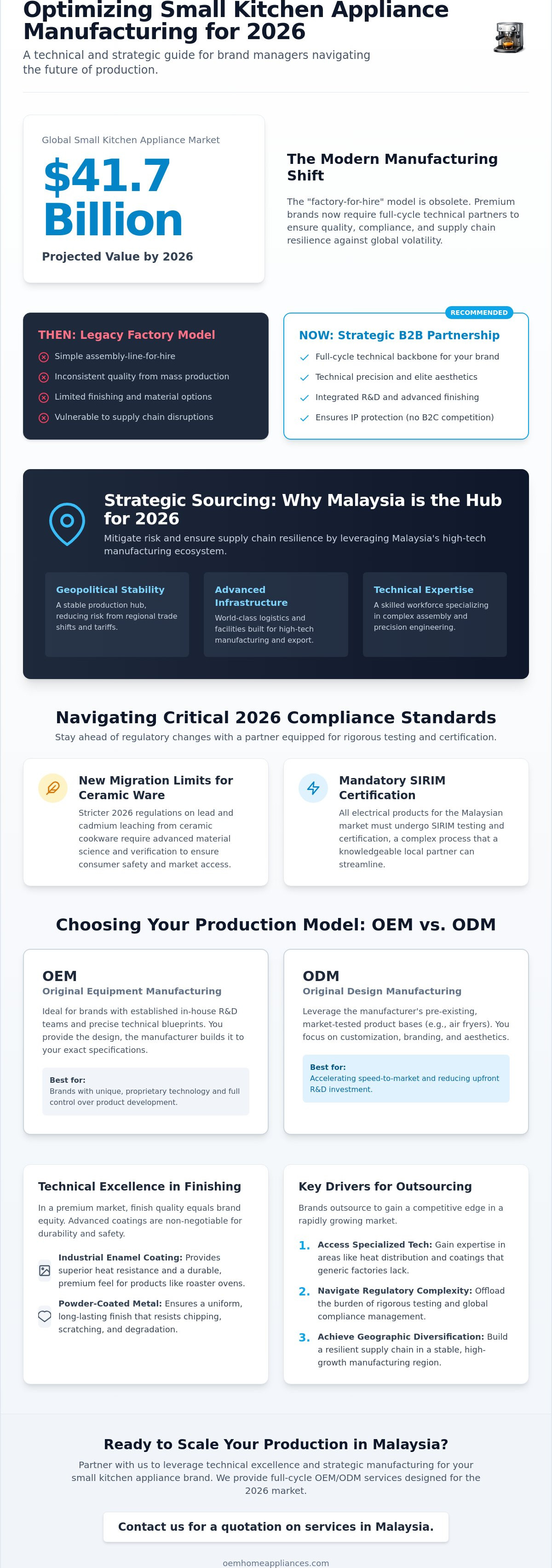
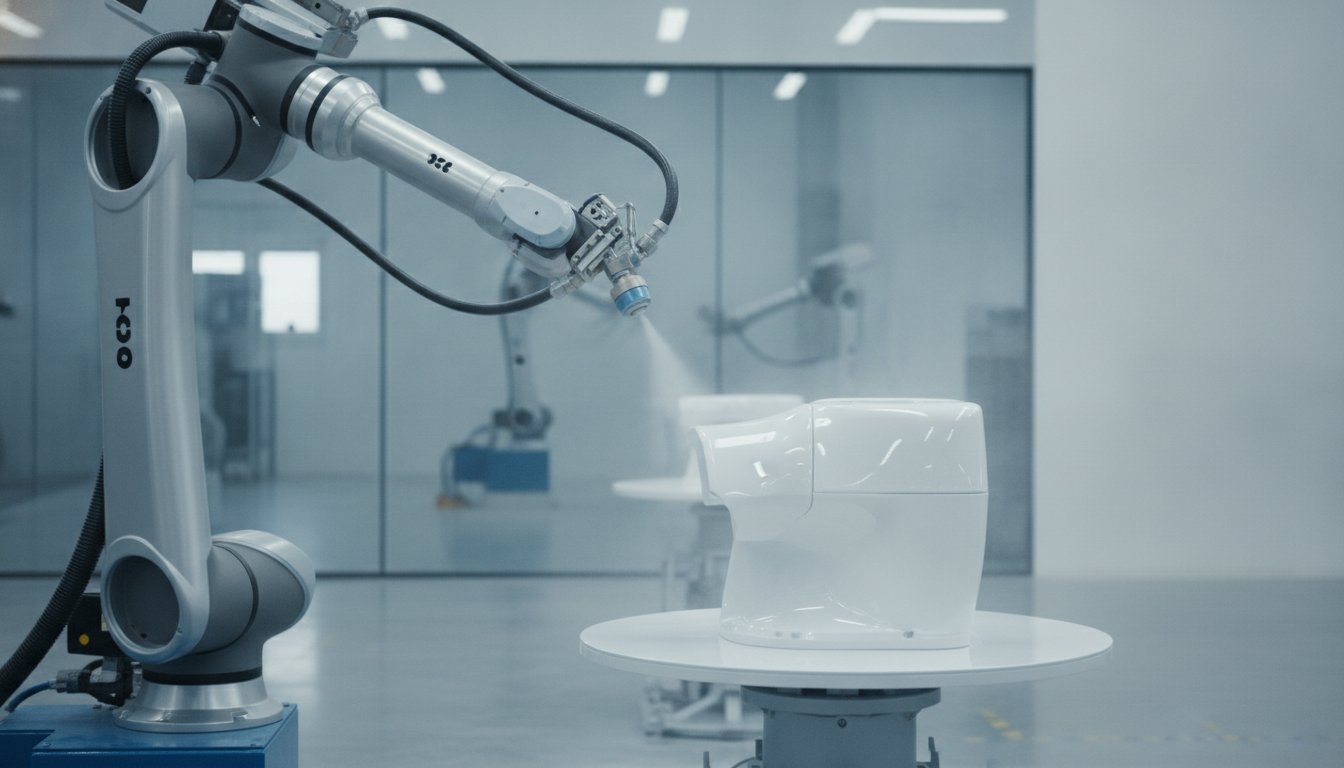
While enamel handles the heat, precision powder coating defines the external resilience of modern appliances. This process uses an electrostatic charge to apply a dry powder that is then cured under heat to form a hard, scratch-resistant skin. It's an ideal solution for the outer housings of air fryers, kettles, and coffee machines. In 2026, the environmental benefits of powder coating are a significant advantage for sustainable branding. Modern lines produce nearly zero volatile organic compounds (VOCs) and allow for the reclamation of over-sprayed powder. This efficiency ensures consistency across high-volume production runs, maintaining a uniform look for your entire product line. To see how these finishes can be tailored to your specific brand palette, you might consult with an engineering specialist regarding your next project.
Engineering durability into every component is the only way to ensure long-term reliability. By focusing on these specialized finishes, brands can offer products that don't just look better on the shelf but perform better in the kitchen for years to come. This commitment to longevity is mirrored in the aftermarket sector; for instance, to see how professional support for appliance maintenance works, check out Hvidevaredele.dk.
Strategic Sourcing: Why Malaysia is the 2026 Hub for Appliance Production
Geographic diversification is no longer a luxury; it's a requirement for supply chain resilience. While traditional hubs face rising costs and trade volatility, Malaysia offers a stable, high-tech environment for small kitchen appliance contract manufacturing. The nation's home appliance exports are projected to reach $1.73 billion in 2026. This stability is underpinned by a consistent monetary policy, with Bank Negara Malaysia maintaining the Overnight Policy Rate at 2.75% since mid-2025. For brand managers, this translates to predictable operational costs and reduced financial risk in an uncertain global market.
The Malaysian manufacturing sector grew by 8.9% in May 2026, reaching a sales value of RM172.7 billion. A major contributor to this expansion was the electrical and electronics sub-sector, which saw a 26.4% increase. This data reflects a mature ecosystem capable of handling complex production requirements at scale. Moving production to this region allows brands to mitigate the risks of over-reliance on a single geographic source while benefiting from a highly skilled labor force and advanced industrial infrastructure.
Infrastructure and Export Efficiency
Efficiency in logistics is a core strength of the Malaysian hub. The country’s industrial zones are specifically designed to support the electronics and home appliance sectors. These zones offer seamless integration with major shipping ports, ensuring competitive lead times for global distribution. Selecting a Private label kitchen appliance manufacturer in this region allows brands to leverage established trade agreements. These agreements significantly reduce landed costs in major markets, providing a direct boost to your bottom line without compromising on production quality. High-volume export capacity ensures that your products reach global shelves on schedule, regardless of seasonal demand spikes.
Quality Standards and Regulatory Alignment
Compliance is the foundation of brand integrity. Malaysian factories operate with a deep understanding of international safety certifications, including CE, UL, and GS+CB. This alignment with global standards simplifies the export process for complex products like air fryers, rice cookers, and coffee machines. The region has also adopted sustainable manufacturing practices as an industry standard. Brands can meet consumer demand for energy-efficient products while adhering to strict environmental regulations. The local engineering expertise allows for rapid prototyping and technical refinement, ensuring your product design meets both aesthetic and functional requirements. This combination of regulatory readiness and engineering depth makes Malaysia the primary choice for brands seeking a long-term, elite manufacturing partner.
Compliance and Quality Assurance in OEM Appliance Manufacturing
Maintaining brand integrity in 2026 requires more than a simple checklist. High-stakes markets demand total transparency and rigorous adherence to evolving safety protocols. In small kitchen appliance contract manufacturing, compliance is the primary barrier between a successful global launch and a costly product recall. You've got to ensure your partner doesn't just hold the right paperwork but actively maintains the standards through every shift. This level of corporate readiness is what separates elite manufacturers from generic assembly shops.
Traceability has become the new standard for global brands. It's no longer enough to know where a finished coffee machine was boxed; you need to track the raw metal components and the specific chemical batches used in the powder coating. This deep-level visibility allows for surgical precision if a component fails, protecting your brand from the damage of a blanket recall. Regular factory audits are the only way to verify these internal systems are functioning as promised. You should look for a partner that welcomes third-party inspections as a standard part of the production cycle.
Global Certification Requirements
North American and European markets continue to tighten their grip on energy efficiency and material safety. Portable cooking equipment and high-wattage kettles face specific scrutiny regarding thermal insulation and electrical grounding. A reliable manufacturer takes the lead in obtaining and maintaining these certifications, ensuring every batch meets the latest international requirements. In the Malaysian context, this includes mandatory SIRIM certification for electrical safety and electromagnetic compatibility. Your partner should act as a facilitator, managing the local representative requirements and testing samples to ensure your products are ready for immediate market entry.
Implementing Rigorous Quality Control
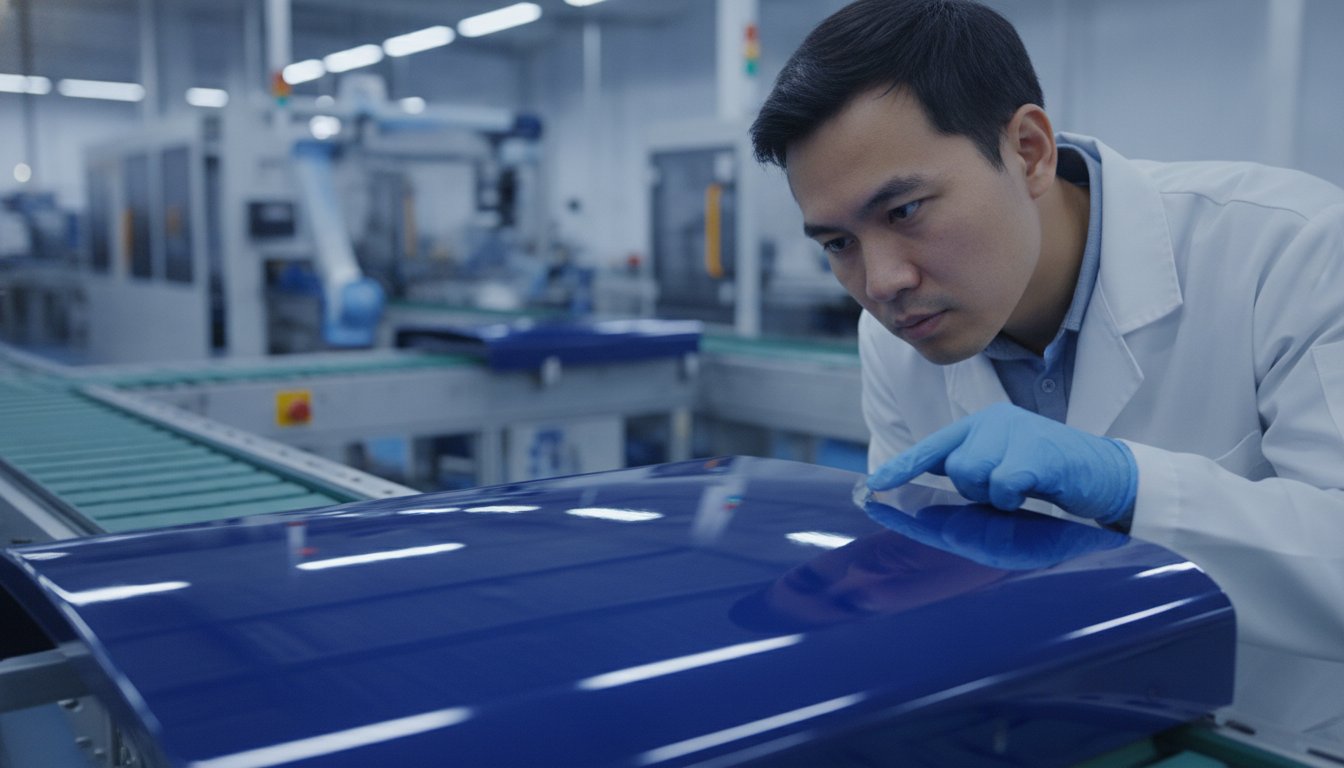
Complex electronics like air fryers require multi-stage, in-process inspections. Testing shouldn't wait until the product is boxed and ready for the container. Final pre-shipment inspections (PSI) using Acceptable Quality Level (AQL) standards provide the final layer of security for your investment. It is necessary to conduct rigorous batch-testing of enamel coating for thermal shock resistance to prevent surface cracking during rapid temperature cycles. These protocols ensure that every unit leaving the facility is a true representation of your brand's quality promise. If you're looking to secure a production line in Malaysia that meets these elite standards, request a technical consultation with our engineering team to discuss your specific quality requirements.
Evaluating a manufacturer’s internal QC protocols is the most critical step in your due diligence. By prioritizing technical excellence and traceability, you build a foundation for long-term consumer trust and market stability.
Building a foundation for stability often involves applying the same level of due diligence to your personal or corporate investment portfolio. For those exploring property as a secondary asset class, Anna O'Neill Buyer's Agent offers the specialized acquisition services needed to identify and secure high-performing real estate investments.
Scaling Production with oemhomeappliances: Your Strategic Partner
Choosing the right partner for small kitchen appliance contract manufacturing is the final step in securing your brand’s future. oemhomeappliances, also known as Keiteq, acts as a dedicated engine for global brands that require more than just assembly. We focus exclusively on B2B manufacturing excellence. This ensures our interests never compete with your retail presence. This commitment to a silent partnership allows you to scale with confidence, knowing your intellectual property and market position are secure.
Integrating R&D directly into the production workflow eliminates the traditional friction between design and execution. By leveraging our specialized facility in Malaysia, you gain access to a stable industrial backbone that understands the nuances of premium finishes and high-volume output. We don't just build products; we build long-term supply chain resilience. This approach is essential for brands looking to capture a share of the Malaysian kitchen appliance market, which is expected to grow at a CAGR of 4.44% through 2034.
From Concept to Prototyping
The transition from a design concept to a physical product requires meticulous engineering. We facilitate this through expert kitchen appliance prototyping, where designs are refined for manufacturability and cost-efficiency. Our engineering team reviews every component to ensure it can be produced at scale without compromising quality. For brands focused on the rapidly expanding healthy-cooking segment, our Private label air fryer manufacturer services provide the R&D support needed to differentiate your product in a crowded market. We help you move from a prototype to a market-ready appliance with precision and speed.
Mass Production and Logistics Support
Scaling to high-volume production requires a manufacturer capable of managing complex bulk orders. Whether you are launching a new line of roaster ovens, rice cookers, or coffee machines, our facility is equipped to handle the demand. We offer extensive customization options for private label branding and packaging, ensuring your products arrive ready for the shelf. Our logistics support team manages the complexities of global shipping from Malaysia, providing you with a frictionless path to market. Finalizing a manufacturing agreement with us means securing a scalable, high-volume production line that grows alongside your brand.
Ready to optimize your production and reduce supply chain risk? Contact oemhomeappliances today to request a quotation for our premium small kitchen appliance contract manufacturing services in Malaysia. Our team is ready to provide the technical details and pricing information you need to move your project forward. Reach out to us for further details on how we can facilitate your brand's global expansion through our elite Malaysian manufacturing facility.
Secure Your Brand’s Future with Technical Precision
Success in the 2026 market requires a shift from simple procurement to strategic technical partnership. You've seen how specialized finishes like industrial enamel and high-grade powder coating define premium brand aesthetics and ensure product longevity. By diversifying your production to a stable hub like Malaysia, you mitigate global trade risks while gaining access to a mature industrial ecosystem. Precision is no longer optional; it's the foundation of consumer trust and supply chain resilience.
We invite you to experience a partnership built on transparency and technical excellence. oemhomeappliances offers a dedicated B2B environment where your intellectual property is protected and your brand remains the priority. We don't compete with our clients in the retail space. Instead, we provide the industrial strength needed to scale your operations efficiently across the globe. Our facility is ready to act as your silent, powerful partner in manufacturing success.
Take the next step in optimizing your production workflow. Contact oemhomeappliances today for a comprehensive quotation on your small kitchen appliance project in Malaysia. Let's build a resilient production line that meets the elite standards your brand deserves. We look forward to facilitating your growth through professional small kitchen appliance contract manufacturing.
Frequently Asked Questions
What is the difference between OEM and ODM in kitchen appliance manufacturing?
OEM involves manufacturing products based on your brand's exact designs and technical specifications. ODM uses the manufacturer's pre-existing designs which you then customize with your branding. OEM is ideal for brands with internal R&D teams, while ODM services accelerate your time-to-market by using proven, high-performance appliance bases.
Why is enamel coating important for roaster ovens and cooking equipment?
Enamel coating provides a non-porous finish that is highly resistant to acidic foods and extreme thermal stress. It ensures superior heat distribution in roaster ovens and prevents metal oxidation over time. This finish is critical for meeting the August 2026 safety regulations regarding lead and cadmium migration in cooking ware.
How does Malaysia compare to China for appliance contract manufacturing in 2026?
Malaysia offers a more stable financial environment with a consistent 2.75% interest rate and robust electronics infrastructure. It serves as a high-tech alternative that reduces trade risk and geographic over-reliance. Many brands choose small kitchen appliance contract manufacturing in Malaysia to benefit from specialized technical finishing and established global export routes.
What certifications are required for small kitchen appliances in international markets?
Essential certifications include CE for Europe, UL for North America, and GS+CB for global safety recognition. All products intended for the Malaysian market must also secure mandatory SIRIM certification. These standards verify electrical safety, electromagnetic compatibility, and adherence to new 2026 material safety limits for ceramic and metal components.
Can a contract manufacturer help with new product R&D and prototyping?
Elite manufacturers provide integrated R&D and prototyping services to refine your concept for mass production. This process ensures your designs are optimized for durability and cost-efficiency before you commit to large-scale tooling. Prototyping allows you to test functional performance and aesthetic finishes like powder coating in a controlled, technical environment.
What are the benefits of powder-coated metal components in home appliances?
Powder coating offers exceptional scratch resistance and aesthetic versatility for the external housings of air fryers and kettles. It is a sustainable manufacturing choice in 2026 as it produces nearly zero VOC emissions. This finish ensures color consistency across high-volume production runs while providing a hard, protective skin for the appliance.
How do I ensure quality control when outsourcing appliance production?
You ensure quality by implementing multi-stage, in-process inspections and final pre-shipment audits using AQL standards. A reliable partner for small kitchen appliance contract manufacturing will provide full traceability from raw materials to the finished unit. Regular factory audits and batch testing for thermal shock resistance are essential for maintaining brand integrity.
What is the typical lead time for mass-producing small kitchen appliances?
Lead times generally range from 45 to 60 days for mass production once the final prototype and certifications are approved. This timeframe accounts for material sourcing, component fabrication, and rigorous quality testing. Projects requiring significant new R&D or custom tooling will naturally require a longer lead time to ensure technical precision and regulatory compliance.
Ready to secure a reliable production partner? Contact oemhomeappliances today for a quotation on our specialized manufacturing services in Malaysia. We provide the technical expertise and industrial scale your brand needs to grow. Reach out for further details on how we can facilitate your 2026 production goals.

Comments