Strategic Guide to Selecting a Private Label Blender Manufacturer in 2026
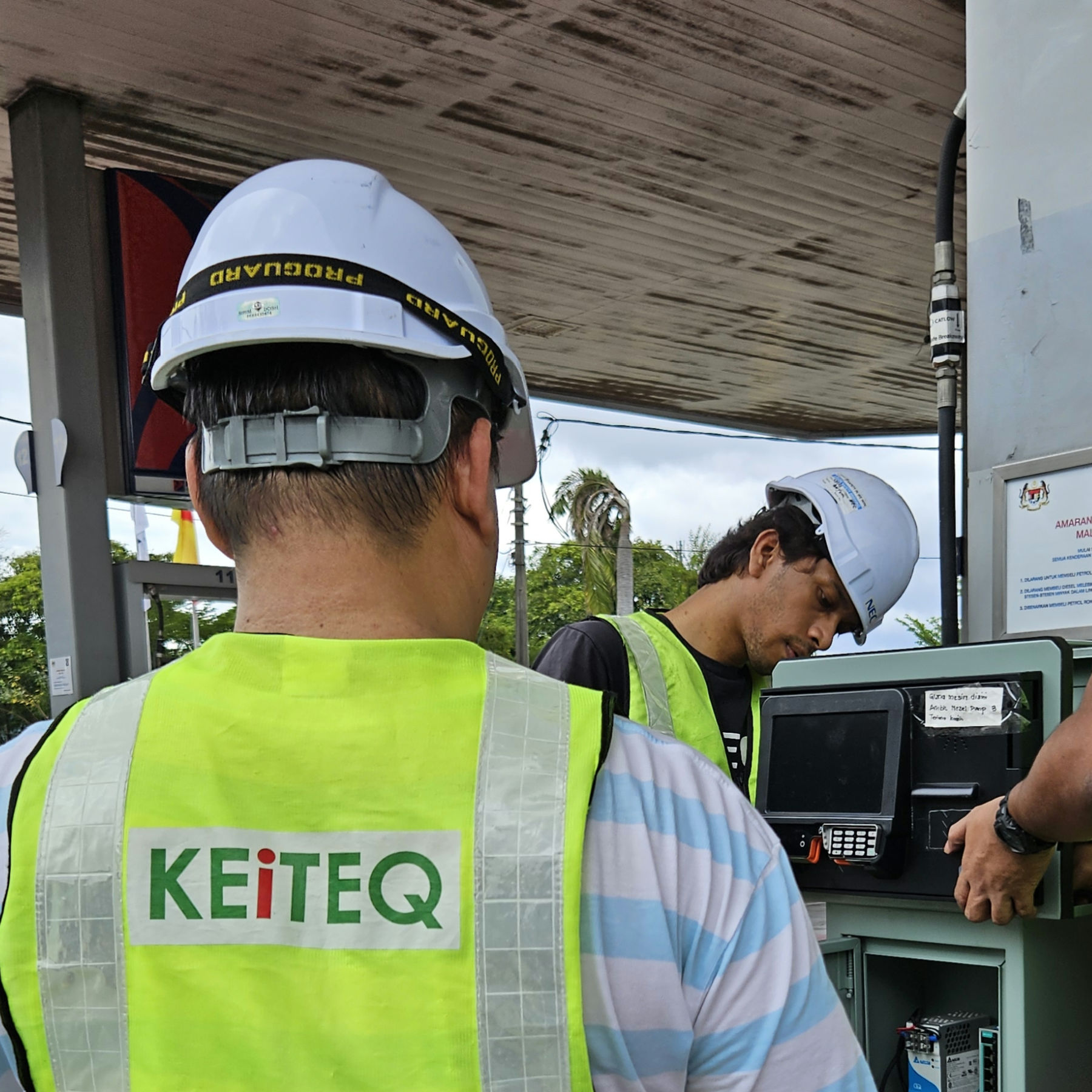
With the global blenders market reaching a value of $3.58 billion in 2026, the difference between a market leader and a struggling brand often comes down to a single engineering choice. You likely recognize that the era of "logo-slapping" generic models is over. Consumers now demand high-performance, durable appliances that reflect a brand's specific identity. Finding a reliable private label blender manufacturer is no longer just about sourcing; it's about securing a technical partner that can eliminate inconsistent quality and provide the R&D support necessary for custom designs.
You've probably dealt with the frustration of supply chain delays or the complexity of meeting mandatory safety standards like the latest ST-SIRIM labeling requirements. We agree that your brand requires a stable, industrial-grade backbone to scale effectively. This guide provides a strategic roadmap to identify manufacturing partners capable of scaling your appliance line with precision. We'll explore how to vet technical capabilities, navigate Malaysian safety certifications, and leverage regional manufacturing strengths to ensure your 2026 product launch is both profitable and seamless.
Table of Contents
Scaling Your Brand with a Private Label Blender Manufacturer
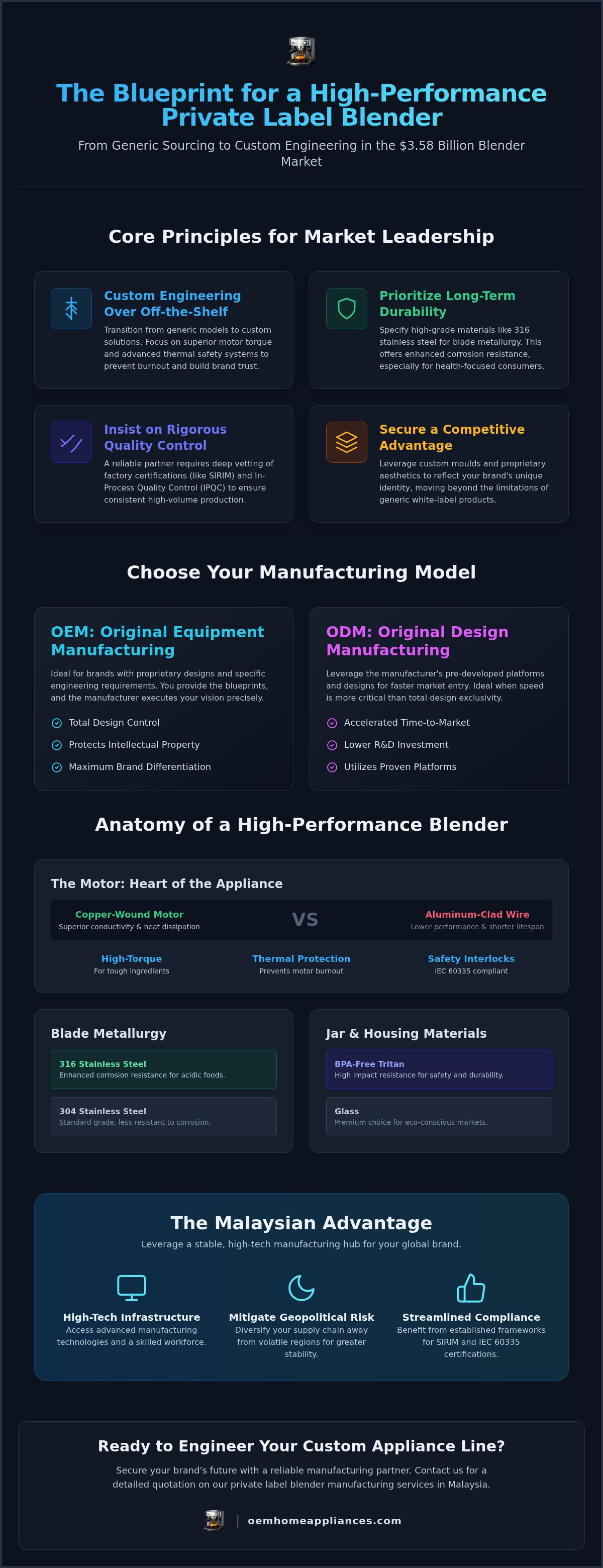
In 2026, private label manufacturing has evolved beyond simply placing a logo on an existing product. It now represents a deep technical integration where a private label blender manufacturer acts as an extension of your own engineering team. The sector has shifted from basic white-label assembly to custom-engineered OEM solutions. This allows brands to offer unique features, such as specific motor torques or specialized blade metallurgy, without the overhead of owning a factory. You gain the ability to innovate at the component level while maintaining a lean corporate structure.
Established brands outsource blender production to specialized factories to maintain agility. By delegating the complexities of production, you can focus on market expansion and distribution. A specialized manufacturing partner provides the industrial strength needed to handle high-volume demands while ensuring every unit meets rigorous performance standards. This partnership significantly reduces time-to-market. It lets you react to health and wellness trends or smart-appliance demands faster than competitors tied down by in-house manufacturing constraints.
The Strategic Advantage of Private Labeling
Outsourcing production means you don't need to commit massive capital to machinery or specialized labor. Instead, you gain immediate access to advanced manufacturing technologies like precision powder coating and enamel finishing. You also leverage the factory's existing compliance framework. In Malaysia, this includes mandatory SIRIM certification and adherence to the international IEC 60335 standard. Using a partner's established certifications accelerates your regulatory approval process. It's a faster route to compliance for complex electrical items like high-speed blenders.
OEM vs. ODM: Which Model Fits Your Brand?
Choosing the right path depends on your R&D investment. Original Equipment Manufacturing (OEM) is ideal if you have proprietary designs or specific engineering requirements that set your brand apart. You provide the blueprints; the manufacturer provides the execution. Conversely, Original Design Manufacturing (ODM) relies on the factory's pre-developed platforms. This model is perfect for faster market entry when speed is more critical than total design exclusivity. Evaluate your internal engineering capacity before deciding. Many brands utilize our product design and development services to bridge the gap between a conceptual sketch and a market-ready appliance.
Technical Specifications: Engineering High-Performance Blenders
Selecting a private label blender manufacturer requires a shift in focus from outward aesthetics to internal engineering. In 2026, the market demands high-torque motors capable of sustained performance without thermal failure. You should evaluate factories based on their ability to integrate advanced thermal protection standards. These systems prevent motor burnout by automatically cutting power when internal temperatures exceed safety thresholds, ensuring the longevity of your brand's reputation.
Noise reduction has become a primary differentiator for premium appliance lines. Engineering a "quiet" blender involves more than just a plastic shield. It requires vibration-dampening motor mounts and precision-engineered airflow paths that dissipate heat while muffling sound. High-performance blenders also rely on superior blade metallurgy. While Grade 304 stainless steel is the industry standard, Grade 316 offers enhanced resistance to corrosion from acidic ingredients, a critical factor for health-focused consumers who blend citrus or fermented foods daily.
Motor Reliability and Longevity
Insist on copper-wound motors for any professional-grade appliance. Copper provides superior electrical conductivity and heat dissipation compared to aluminum-clad wire, which directly impacts the motor's life-cycle. A reliable manufacturer implements rigorous testing protocols, including continuous-run stress tests and safety interlock verification. These interlocks ensure the motor only engages when the jar is securely locked, meeting the international IEC 60335 safety standards required for global distribution.
Material Science in Blender Construction
Your choice of housing and jar materials must align with your target demographic's expectations. BPA-free Tritan offers the impact resistance needed for high-velocity blending, while glass remains the preferred choice for eco-conscious or premium markets. For the blender base, balancing aesthetics with heat management is essential. Utilizing specialized powder-coated metal components provides a durable, high-end finish that resists scratches and manages heat better than standard plastics. Ensuring food-grade compliance across all contact surfaces is non-negotiable for maintaining Quality Assurance and Factory Audits standards.
As you refine your technical requirements, consider how local expertise can streamline your production. If you need assistance with specific engineering challenges, you can consult with our technical team to optimize your blender's performance for the Malaysian and global markets.
Private Label vs. White Label: A Comparison for Brands
Understanding the distinction between white label and private label is essential for any brand manager. A white label product is a generic appliance manufactured by a factory and sold to multiple retailers who simply add their branding. In contrast, a private label blender manufacturer works with you to develop a unique product that belongs exclusively to your brand. This includes custom moulds, proprietary aesthetics, and specific technical features that competitors can't easily replicate. While both models have their place in a 2026 business strategy, the choice depends on your long-term brand objectives and R&D budget.
When to Choose White Label Solutions
White label solutions are ideal for testing new market segments without a heavy upfront investment in R&D. If you need to fill a gap in your entry-level product tier or launch a seasonal promotion, these proven factory designs offer the fastest path to market. They typically come with lower Minimum Order Quantities (MOQs) and shorter lead times. This agility allows you to gauge consumer interest before committing to the deeper engineering required for a bespoke project. It's a low-risk method to maintain presence in the value-driven segment of the appliance market.
The Case for Custom Private Label Engineering
Creating a unique "brand DNA" requires the custom engineering found in private labeling. This model allows you to control the entire user experience, from the tactile feel of the control panel to the specific industrial design of the blender base. By investing in proprietary moulds, you ensure that your product stands out on a crowded retail shelf. For a deeper look at how this process applies to your entire portfolio, consult our Strategic Guide to Selecting a Private Label Kitchen Appliance Manufacturer to see how design integration impacts your bottom line.
A Total Cost of Ownership (TCO) analysis often reveals that while private label engineering has higher initial development costs, it commands significantly higher retail margins. Custom-engineered products build brand equity that generic models can't match. When Sourcing from Malaysia, you benefit from a manufacturing environment that supports both high-volume efficiency and intricate customization. This strategic advantage enables your brand to offer high-performance appliances that justify a premium price point. Choosing the right private label blender manufacturer ensures your product isn't just another commodity but a specialized tool that drives customer loyalty.
Quality Assurance and Factory Audits for Blender Production
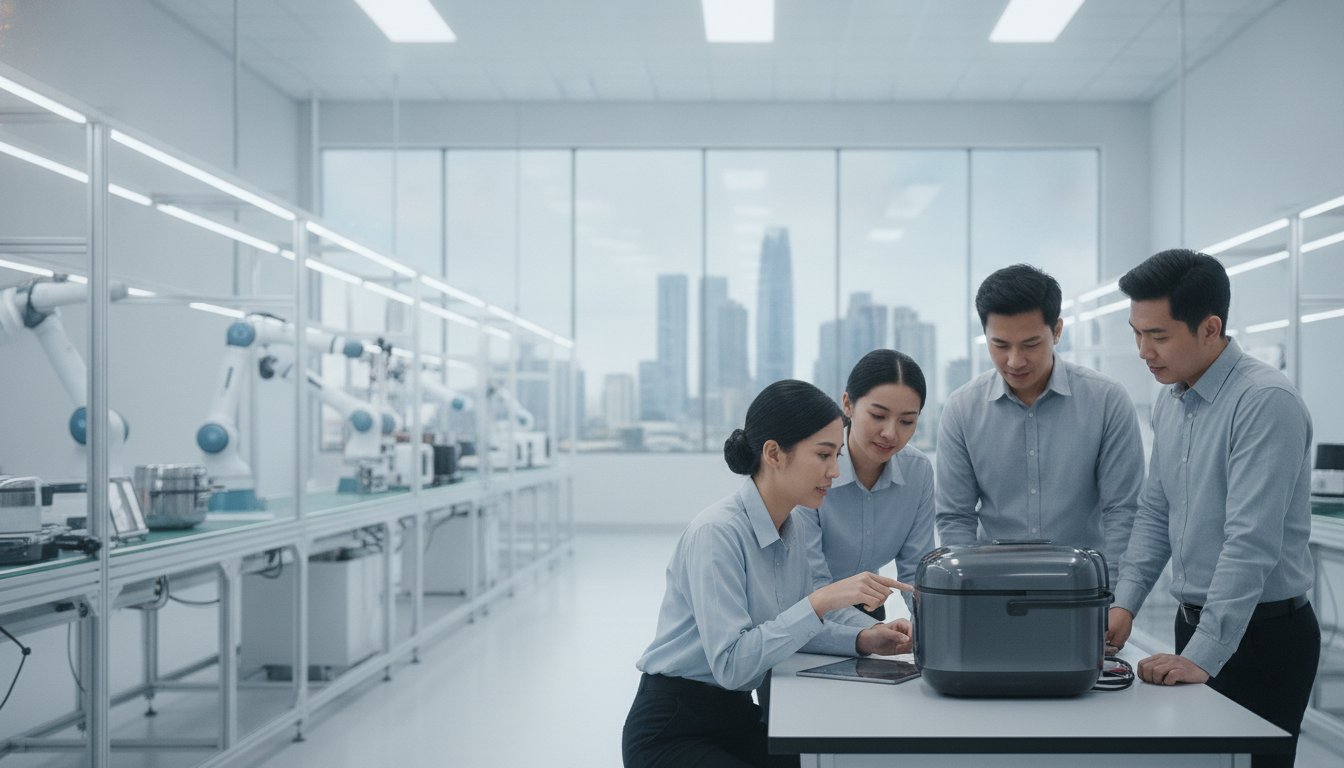
A reliable private label blender manufacturer must demonstrate more than just production speed. It requires a robust quality assurance framework to protect your brand's reputation. Look for essential certifications like ISO 9001 for quality management and BSCI for social compliance. If you're targeting the North American market, UL or ETL certifications are mandatory for electrical safety. These aren't just badges; they're indicators of a factory's operational maturity and its ability to meet global regulatory demands.
High-volume production relies on In-Process Quality Control (IPQC) to catch errors before they become systemic. Technicians should monitor motor assembly and blade alignment at every critical stage. For the Final Random Inspection (FRI), most premium brands utilize strict Acceptable Quality Level (AQL) standards. For blenders, this means zero tolerance for critical safety defects like electrical leakage. It also involves tight limits on functional issues, such as speed variance or excessive vibration during operation.
Conducting a Comprehensive Factory Audit
Your factory audit must go beyond checking machinery. Assess workforce stability because high turnover often leads to inconsistent assembly quality. Verify that the R&D lab can perform rigorous stress tests on motors and blades. They should simulate thousands of blending cycles to ensure the product doesn't fail under heavy consumer use. Review how they manage sub-suppliers for components like gaskets and electronics. End-to-end reliability depends on the quality of every single part sourced from external vendors.
Specialized Finishing and Aesthetics
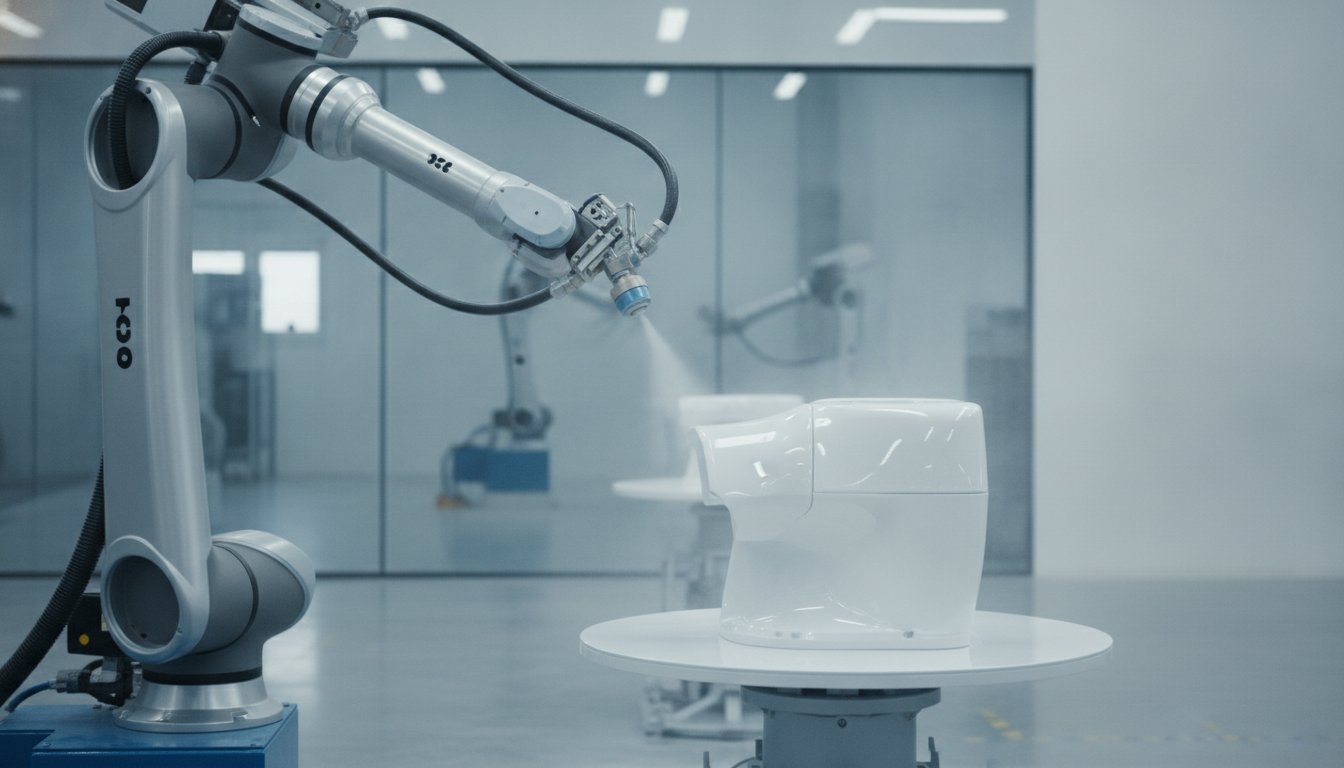
Premium brands often require industrial enamel coating services for metal components to ensure superior heat resistance and a high-end feel. For powder-coated bases, the factory must test for adhesion and impact resistance to prevent chipping during shipping or daily use. Maintaining color consistency across 10,000 units is a technical challenge that requires precision mixing and controlled curing environments. These specialized finishes distinguish professional-grade appliances from budget alternatives that rely on cheap plastics.
If you're ready to secure a manufacturing partner in Malaysia that prioritizes these rigorous standards, contact our technical team for a detailed consultation on your production needs.
Sourcing from Malaysia: A Strategic Advantage for Global Brands
Malaysia has solidified its position as a high-tech manufacturing hub for the kitchen appliance sector. With the nation's home appliance exports projected to reach $1.73 billion in 2026, the region offers a stable, high-quality alternative to traditional sourcing locations. Selecting a private label blender manufacturer in Malaysia provides a strategic hedge against geopolitical risks through geographic diversification. The Electrical & Electronics sub-sector continues to drive this growth, contributing significantly to the RM177.0 billion sales value recorded in the manufacturing sector in June 2026.
This industrial strength is supported by robust logistics and trade advantages. Malaysia provides direct access to major global shipping lanes, facilitating efficient distribution to North American and European markets. New manufacturing incentives introduced under the New Incentive Framework (NIF) in March 2026 have further streamlined the environment for high-value production. These policies link incentives to measurable economic outcomes, ensuring that factories maintain high standards of efficiency and innovation.
Why Malaysia is the Preferred Hub for Premium OEM
The Malaysian workforce is a primary asset for global brands. By June 2026, the manufacturing sector employed approximately 2.4 million people, with an average monthly salary of RM3,524 reflecting a highly skilled labor pool. These professionals manage production lines that strictly adhere to international safety standards, including compulsory SIRIM certification for blenders. Malaysia also offers a strong legal framework for intellectual property protection. This is critical when developing proprietary blender designs. Competitive shipping costs and lead times ensure your brand remains agile in a fast-moving consumer market.
Partnering with oemhomeappliances in Malaysia
Our facility serves as a dedicated engine for your brand's expansion. We offer comprehensive kitchen appliance manufacturing solutions that cover everything from initial design to high-volume production. The "Keiteq Standard" represents our commitment to precision, ensuring that every blender meets your exact performance specifications. We maintain a rigorous regulatory environment, including compliance with hazardous chemical data submission requirements established in March 2026.
We operate with a clear B2B focus. We don't sell to retail chains or act as third-party distributors. Instead, we function as a silent partner, empowering your brand without ever competing in the retail space. Our Malaysia-based factory is strategically positioned to support high-volume global distribution. This allows you to scale your appliance line with confidence and industrial-grade reliability.
Ready to scale your appliance brand with a high-performance blender produced in a high-tech hub? Contact us today for a personalized quotation and to learn more about our professional private label manufacturing services in Malaysia.
Securing Your Brand's Future in the 2026 Appliance Market
Success in the global blender market requires a transition from generic assembly to precision engineering. You've seen how custom private label solutions provide the design differentiation needed to command premium retail margins. By prioritizing technical specifications like copper-wound motors and specialized powder coating for premium aesthetics, you ensure long-term product durability and consumer trust. Partnering with a specialized private label blender manufacturer allows you to leverage these industrial strengths without the capital expenditure of in-house production.
Our expert Malaysia-based engineering team provides the technical R&D support necessary to scale your brand with confidence. We maintain a dedicated B2B focus, ensuring we never compete with our clients in the retail space. This stability makes Malaysia a premier choice for brands looking to diversify their supply chains and improve logistics efficiency. Ready to scale your brand with a reliable partner? Contact oemhomeappliances for a custom blender manufacturing quotation in Malaysia. We look forward to facilitating your brand's growth through meticulous execution and industrial-grade reliability.
Frequently Asked Questions
What is the typical MOQ for a private label blender manufacturer?
Minimum Order Quantities for a private label blender manufacturer typically range from 500 to 1,000 units for existing designs. If your project requires proprietary moulds or unique technical specifications, these requirements often increase to 2,000 units or more to offset tooling costs. Established brands should verify these thresholds during the initial consultation to ensure they align with their projected sales volume and long-term inventory management strategies within the Malaysian market.
How long does it take to develop a custom blender prototype?
Development timelines for a custom blender prototype generally span 8 to 12 weeks. This period includes the initial design phase, 3D modeling, and the creation of a functional prototype for performance testing. Complex projects requiring specialized motor engineering or custom UI controls might extend this timeframe. Our team streamlines this process by integrating design and development services directly within our Malaysian facility to reduce logistical delays and ensure precision.
Can a private label manufacturer help with international safety certifications?
A professional manufacturing partner facilitates all necessary international safety certifications for your product. This includes managing applications for SIRIM certification in Malaysia, as well as UL, ETL, or CE marks for global distribution. We ensure your blender complies with the international IEC 60335 safety standard. This support is vital for brands looking to enter new markets without navigating the complex technical requirements of global safety regulations alone.
What is the difference between a blender OEM and a blender ODM?
The primary difference lies in design ownership and R&D investment. Original Equipment Manufacturing (OEM) involves producing a blender based on your brand's unique blueprints and engineering specifications. Original Design Manufacturing (ODM) allows you to select a pre-developed platform from the factory's catalog and apply your branding. Choosing a private label blender manufacturer with both capabilities gives your brand the flexibility to choose between rapid speed-to-market and total design exclusivity.
Why is Malaysia becoming a preferred hub for kitchen appliance manufacturing?
Malaysia offers a high-tech manufacturing environment with a strong focus on the Electrical & Electronics sub-sector. The country provides a stable alternative to traditional hubs, supported by the New Incentive Framework introduced in March 2026. Brands benefit from a skilled engineering workforce and strategic access to major shipping lanes. This resilience helps mitigate geopolitical risks while maintaining competitive lead times for high-volume kitchen appliance production across the globe.
How do I ensure the blades in my private label blender remain sharp over time?
Maintaining blade sharpness depends on material specification and precision manufacturing. You should specify high-grade materials like 316 stainless steel, which offers superior resistance to corrosion and wear. Additionally, verify the factory's heat treatment processes and blade geometry engineering. High-performance blenders require blades that can withstand sustained high-torque operation without dulling. We perform rigorous motor and blade life-cycle tests to ensure long-term reliability for your brand.
Does oemhomeappliances offer custom powder coating for blender bases?
Yes, we provide specialized powder-coated metal components for blender bases to enhance both durability and aesthetics. This finishing process ensures superior heat resistance and a high-end feel that distinguishes your product in the premium market. Our facility in Malaysia is equipped to handle custom color matching and adhesion testing across mass-produced batches. This capability allows your brand to maintain a consistent, sophisticated look that standard plastic alternatives cannot replicate.
What are the common pitfalls to avoid when sourcing blenders from a new factory?
Common pitfalls include neglecting In-Process Quality Control (IPQC) and failing to verify the factory's sub-supplier management. Many brands also overlook mandatory local standards, such as the ST-SIRIM label requirements effective since February 2022. Avoid factories that cannot provide detailed motor stress test data or thermal protection verification. Partnering with an expert facilitator ensures your supply chain remains transparent and your products meet every technical and safety benchmark required for success.
Ready to create a high-performance blender for your brand? Contact us today for a personalized quote and to learn more about our private label manufacturing services in Malaysia.
Comments