Understanding ODM Appliance Production

Manufacturing home appliances involves complex decisions. One key choice is between ODM and OEM production. I focus here on ODM appliance production. It offers unique advantages for businesses aiming to launch or rebrand kitchen and home appliances efficiently.
What is ODM Appliance Production?
ODM stands for Original Design Manufacturer. In this model, the manufacturer designs and produces products based on their own specifications. Businesses then buy these products and sell them under their own brand names.
ODM appliance production means you get a ready-made design. You avoid the time and cost of product development. The manufacturer handles design, engineering, and production. You focus on branding, marketing, and distribution.
This approach suits companies that want to enter the market quickly. It also works well for those lacking in-house design resources. ODM manufacturers often have extensive experience and established supply chains. This can improve product quality and reduce risks.

Benefits of ODM Appliance Production
ODM appliance production offers several clear benefits:
Speed to Market: Skip the design phase. Get products faster.
Lower Costs: Save on R&D and design expenses.
Proven Designs: Use tested and refined products.
Customization Options: Modify colors, logos, and minor features.
Focus on Branding: Concentrate on marketing and sales.
Scalability: Easily increase order volumes as demand grows.
For example, a brand wanting to launch a new blender can select an ODM model. They add their logo and packaging design. The manufacturer handles the rest. This reduces lead time and upfront investment.
ODM manufacturers also help with compliance and certifications. This ensures appliances meet safety and quality standards in target markets.
I recommend evaluating ODM partners carefully. Check their design capabilities, production capacity, and quality control processes. A strong ODM partner can be a strategic asset.
Which is better, ODM or OEM?
OEM stands for Original Equipment Manufacturer. Unlike ODM, OEM produces products based on your design and specifications. You provide the blueprint. The manufacturer builds it.
Choosing between ODM and OEM depends on your business needs:
ODM: Best if you want a fast, cost-effective solution with less design work.
OEM: Ideal if you have unique product ideas and want full control over design.
OEM requires more time and investment upfront. You must develop detailed product designs and prototypes. This can delay market entry but allows for full customization.
ODM suits brands aiming to test new markets or expand product lines quickly. OEM fits companies with strong R&D teams and specific product visions.
Both models can deliver quality appliances. The key is aligning the choice with your business strategy and resources.
How to Choose the Right ODM Partner
Selecting the right ODM partner is critical. Here are practical steps:
Assess Experience: Look for manufacturers with a proven track record in home appliances.
Review Product Range: Ensure they offer designs that fit your brand and market.
Check Quality Standards: Verify certifications like ISO, CE, or UL.
Evaluate Customization Options: Understand how much you can modify designs.
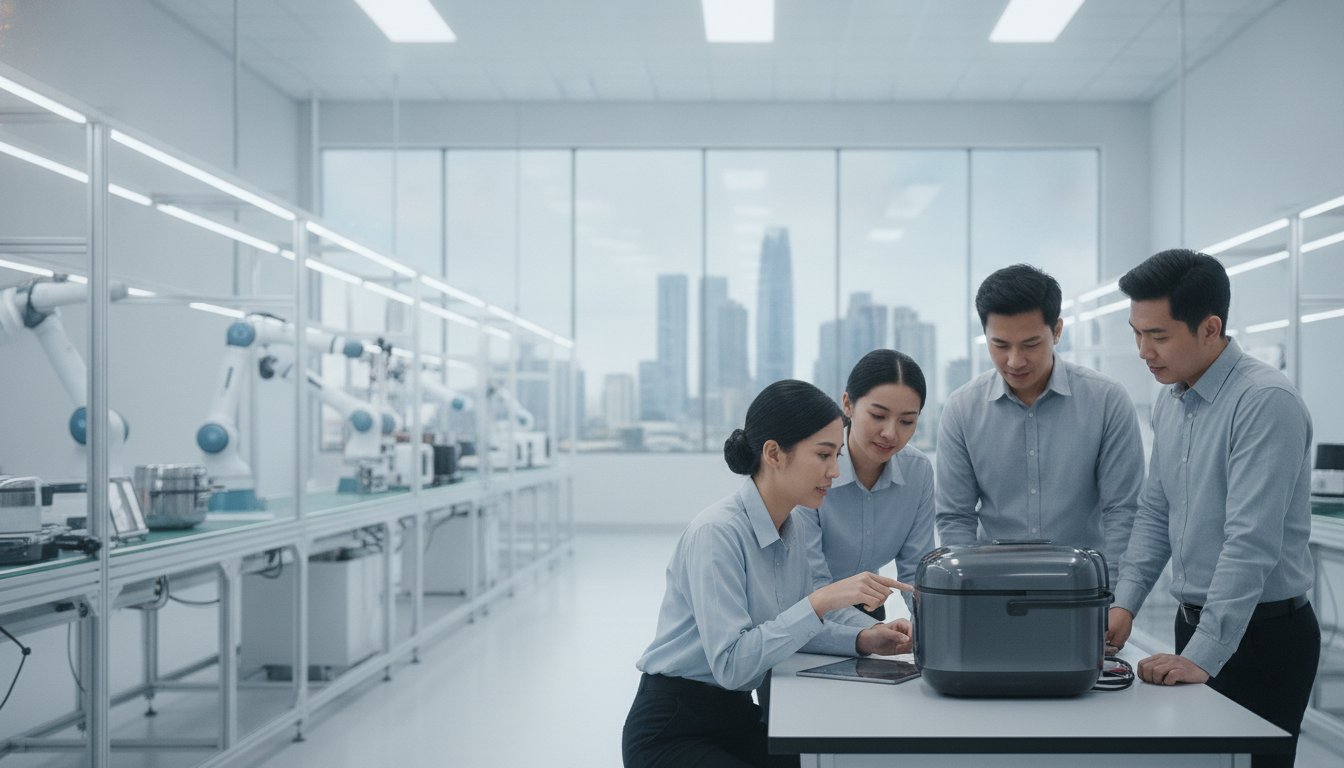
Visit Facilities: If possible, tour factories to inspect production processes.
Request Samples: Test product quality before committing.
Discuss Lead Times: Confirm production and delivery schedules.
Negotiate Terms: Clarify pricing, minimum order quantities, and after-sales support.
A good ODM partner acts as a collaborator, not just a supplier. They help you navigate technical challenges and market demands.
Practical Tips for Working with ODM Manufacturers
To maximize success with ODM appliance production, follow these tips:
Communicate Clearly: Provide detailed branding and packaging guidelines.
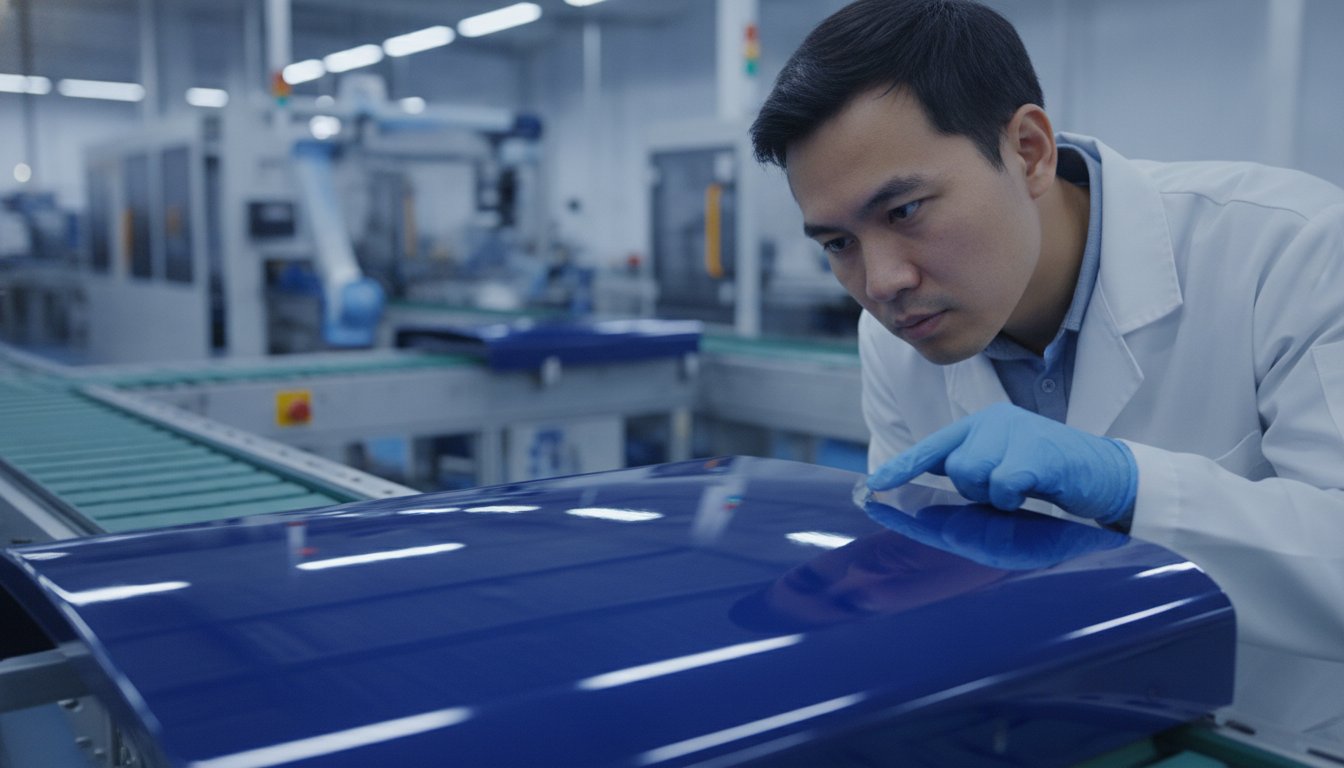
Set Expectations: Agree on quality standards and inspection procedures.
Plan for Flexibility: Allow room for minor design adjustments.
Monitor Production: Use third-party inspections if needed.
Build Relationships: Foster trust and open communication.
Leverage Manufacturer Expertise: Ask for advice on design improvements or cost savings.
For example, if you want a smart kitchen appliance, discuss integration options with your ODM partner early. They can suggest compatible technologies and components.
Remember, your brand reputation depends on product quality. Stay involved throughout the process.

Final Thoughts on ODM Appliance Production
ODM appliance production offers a streamlined path to market. It reduces development time and costs. It leverages manufacturer expertise and tested designs. This model suits businesses aiming to scale quickly and efficiently.
When you choose an ODM partner, focus on quality, reliability, and collaboration. This ensures your branded appliances meet customer expectations and regulatory requirements.
For those exploring options, consider the benefits of odm home appliance manufacturing. It can be a strategic move to grow your product portfolio and strengthen your market position.
Stay proactive. Manage your ODM relationships carefully. This approach will help you bring quality home appliances to market faster and with confidence.
Comments